
Sustainable Industrial Wastewater Treatment: Reducing Impact and Operating Costs
Industrial sites cannot keep treating wastewater as something that simply leaves the building and becomes somebody else’s problem. It does not. Every rinse, washdown, cooling cycle, cleaning line, spill, and process drain can carry contaminants, hidden cost, compliance risk, and lost value.
Sustainable industrial wastewater treatment deals with that reality properly. Through smarter treatment processes. Better monitoring. Reuse where safe. Recovery where possible. Lower energy demand where systems are wasting power. Cleaner discharge matters, of course. But so does cost. When water, chemicals, sludge, energy, and downtime are controlled together, industrial facilities gain a steadier operation, not just a cleaner one.
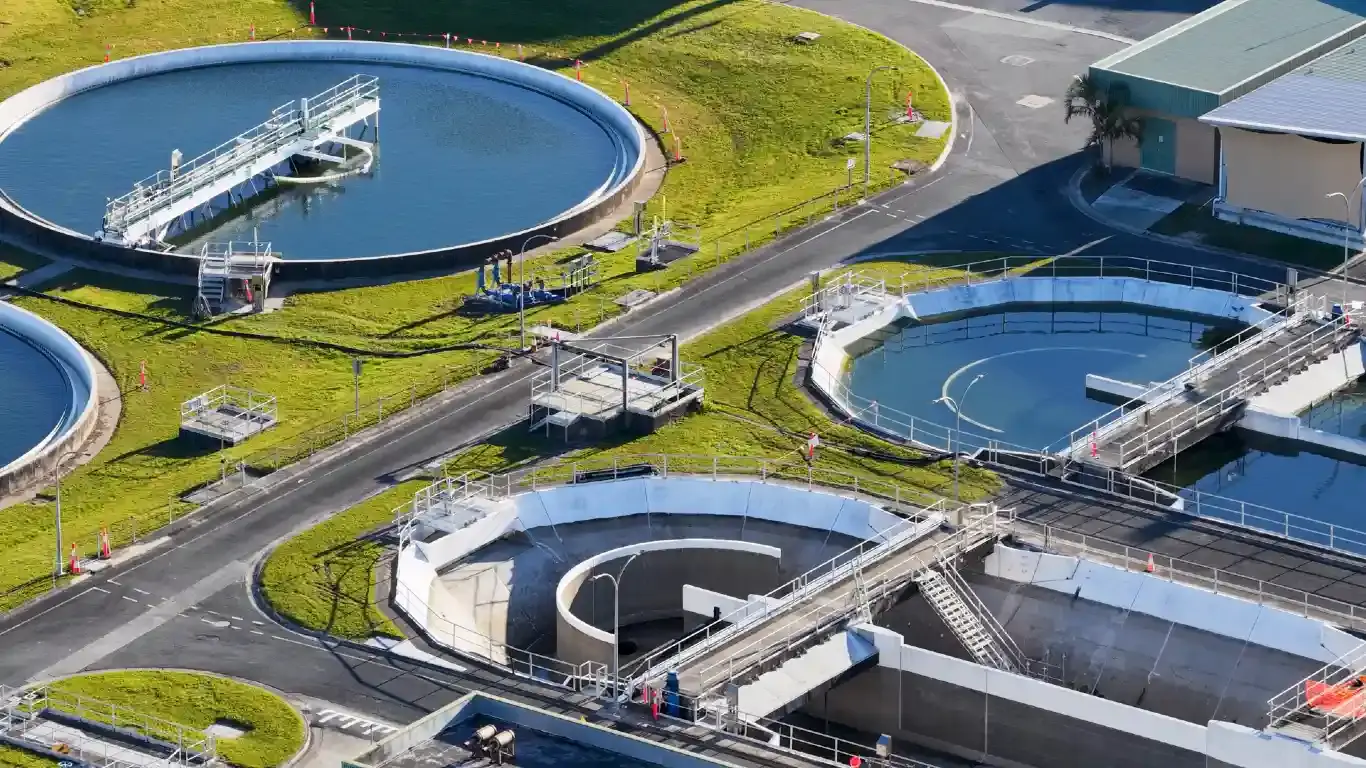
What Is Industrial Wastewater Treatment and Why Is It Important?
Industrial wastewater treatment is defined as the process of removing contaminants from wastewater. This type of water is commonly produced by industrial activities. Sometimes this comes through manufacturing, and sometimes through mining, food processing, oil and gas extraction, and many other industrial operations. It contains heavy metals such as oils, toxins, nutrients, suspended solids, and organic matter. They are often mixed together. That is where the risk starts.
The treatment of industrial wastewater protects the ecosystems in general. It also takes care of groundwater and the public health. Its daily site operations make wastewater reuse safe enough to meet environmental rules, while also supporting water treatment. All this allows long-term operational control.
Key Stages of Industrial Wastewater Treatment
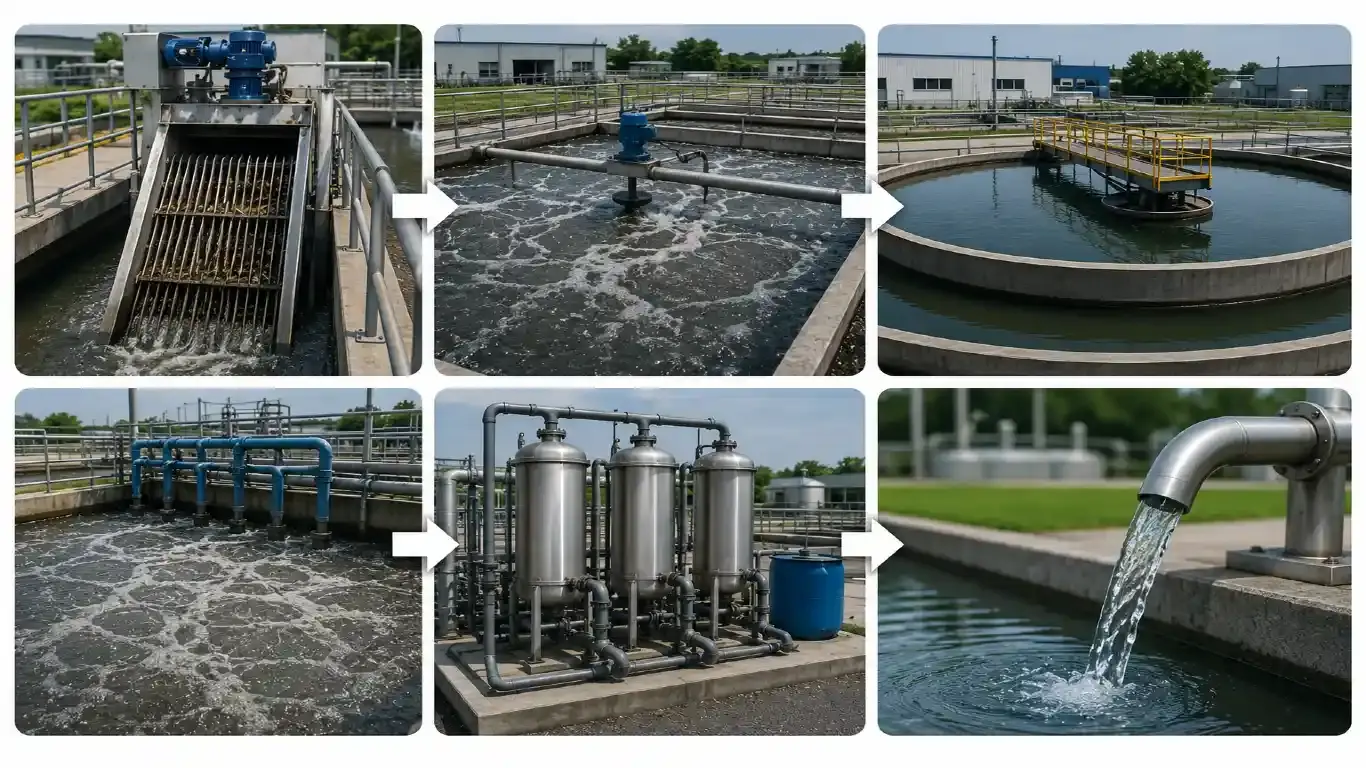
Preliminary Treatment (Physical)
Preliminary treatment is usually the first physical step in the industrial wastewater treatment process. It removes the obvious problems first. Rags. Plastics. Stones. Sand. Grit. Coarse solids. Screens, grit chambers, and equalisation tanks protect pumps, wastewater pipes, and downstream equipment before damage starts. Simple equipment can do heavy work here. Especially when industrial facilities generate wastewater in uneven volumes, with sudden peaks or messy mixed loads. This stage prepares the wastewater stream for later treatment methods and helps the wider treatment plant stay stable.
Primary Treatment (Physical/Chemical)
Primary treatment removes settleable solids, floating oils, grease, and heavier particles from the water. Sedimentation, skimming, dissolved air flotation, and chemical treatment may all be used, depending on wastewater characteristics. It is a sorting stage, really. Heavy material goes one way. Floating material another. The water moves forward with less strain on the system. The wastewater treatment process generally becomes more reliable when this step is working well, because the wastewater treatment plant avoids avoidable shock, clogging, sludge overload, and unstable performance later.
Secondary Treatment (Biological)
Secondary treatment deals with material that does not simply settle or float away. This is where biological treatment becomes important. Microorganisms break down dissolved and biodegradable organic pollutants in wastewater, including organic compounds in the wastewater that physical separation cannot remove. Biological wastewater treatment may be aerobic, anaerobic, or a controlled mix of both. It needs balance. Oxygen. Flow. Temperature. pH. Load. When operators combine biological treatment with clarification, biological treatment removes a major share of oxygen-demanding pollution found in industrial wastewater.
Tertiary Treatment (Advanced)
Tertiary treatment handles what earlier stages leave behind. Fine particles. Nutrients. Colour. Trace chemicals. Metals. More stubborn compounds in industrial wastewater. Treatment methods include membrane filtration, activated carbon, nutrient removal, ion exchange, ultraviolet polishing, industrial reverse osmosis, and the advanced oxidation process. This stage is often used for treating wastewater when discharge limits are strict, or when reuse is planned. In wastewater with high concentrations of difficult contaminants, advanced biological treatment or other specialist treatment solutions may be needed so wastewater to meet higher standards is actually achievable.
Disinfection & Discharge (Chemical)
Disinfection and discharge control the final point of risk. Chlorine, ozone, ultraviolet light, or other water treatment processes may be used to reduce pathogens and improve final water quality before release or reuse. Wastewater via a permitted outfall must meet defined limits. Reuse is different. Sometimes tighter. Sometimes more specific. The right approach depends on where the treated water will go next, what remains present in the wastewater, and whether the flow is suitable for industrial use, cleaning, cooling, or another controlled purpose.
Environmental Impact of Industrial Wastewater
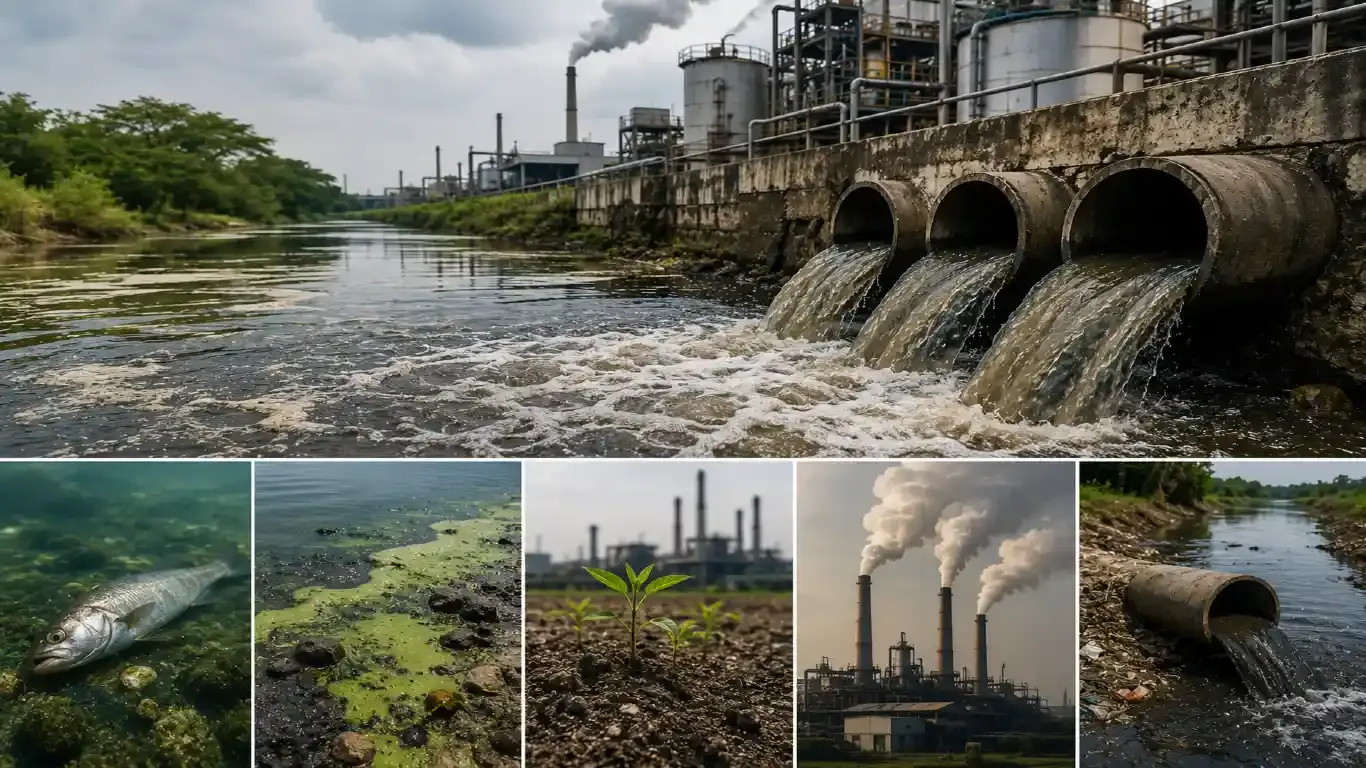
Untreated wastewater can damage nearly every type of water, but also the soil and the public health. This is done when heavy metals, toxins, nutrients, oils, suspended solids, and organic matter leave a site without proper control. The damage is not always visible or problematic at first. It gathers. Oxygen depletion. Eutrophication. Biodiversity loss. Fish mortality. Drinking water contamination. Bioaccumulation through the food chain.
The pattern is obvious although pollutants in industrial wastewater vary across the different industrial operations. Poor wastewater management turns normal operational waste into real environmental disasters. Here’s some of the issues caused:
Soil contamination risks
Soil contamination risks rise when industrial effluent leaks, overflows, or is discharged without proper testing. Wastewater containing oils, salts, metals, solvents, and persistent chemicals can reduce soil fertility and move slowly towards groundwater. Slowly is the problem. It can hide. Wastewater that may contain toxic residues should never be treated casually, because land contamination is expensive to repair. Removal from industrial wastewater is usually far easier than trying to restore polluted soil years later.
Carbon footprint and energy usage
Carbon footprint and energy use matter because wastewater treatment facilities rely on pumps, blowers, mixers, aeration, heating, sensors, and sludge handling. That equipment runs for hours. Often every day. The quantity of wastewater changes the total cost immediately. More water means more movement, more runtime, more electricity, more emissions. Sustainable management of wastewater starts by reducing unnecessary load before it becomes a treatment burden. Less flow. Less energy. Less cost pressure across the system.
Water pollution and ecosystem damage
Water pollution and ecosystem damage happen when contaminants from wastewater reach natural systems faster than those systems can recover. Nutrients trigger algal growth. Organic loads strip oxygen from water. Metals and toxic compounds settle into sediment and move through food chains. Many industrial wastewaters carry risk even when the water looks ordinary. That is the trap. Among the industrial sectors, food, chemicals, mining, textiles, metals, and energy all create different threats, but one uncontrolled discharge can harm habitats for years.
Why Sustainability Matters in Wastewater Treatment?
Sustainability matters because industrial and municipal water systems are under pressure from water scarcity, energy cost, ageing infrastructure, climate risk, and tighter reporting. Old systems built only for basic discharge are no longer enough. Not really. Sustainable treatment of wastewater reduces freshwater demand, limits pollution, improves energy efficiency, supports recovery, and prepares treatment facilities for stricter future limits. It is not a decorative environmental message. It is operational resilience. A strong wastewater treatment method helps industrial sites stay compliant, reduce cost, and protect local water systems under real conditions.
Water scarcity and reuse
Water scarcity makes reuse treated wastewater more valuable for sites that depend on reliable supply. On-site treatment can support cooling, washdown, simple cleaning, irrigation, and selected industrial process needs when quality targets are clear. Not every flow should be reused everywhere. That distinction matters. The utilization of wastewater has to be tested, controlled, and matched to the use. Done properly, wastewater treatment and reuse reduces mains water demand and helps protect production during restrictions or supply pressure.
Energy efficiency and climate change
Energy efficiency matters because aeration, pumping, heating, and mixing can make treatment expensive very quickly. Better blowers, variable speed drives, optimised controls, renewable power, and biological treatment of wastewater can cut wasted energy without weakening performance. Treatment is commonly judged by discharge quality alone. Too narrow. Climate impact now sits beside compliance. Cleaner water should not depend on careless electricity use, especially when smart control can reduce both emissions and operating cost.
Resource recovery
Resource recovery changes how waste treatment is understood. Sludge, heat, nutrients, organic material, and sometimes chemicals may hold value if regulation and chemistry allow. Biogas recovery, nutrient capture, safer sludge handling, and water reuse all support circular operation. Industrial waste will not disappear. Nobody serious would claim that. But some value can be recovered, some disposal avoided, and some pressure reduced when treatment solutions are designed around recovery rather than disposal alone.
Regulatory compliance and environmental protection
Regulatory compliance and environmental protection depend on evidence, not intention. Everything from sampling to emergency planning must match the actual wastewater generated on site. Municipal treatment is not always able to safely absorb every industrial load. This goes especially for wastewater with high concentrations of various polution materials. Industrial and municipal wastewater systems are often connected in practice. Poor control in one place creates problems some place else. Strong compliance reduces fines, but also prevents public scrutiny.
Benefits of Sustainable Wastewater Treatment
The benefits of sustainable wastewater treatment are practical, not vague. Lower water bills. Lower energy demand. Less chemical use. Reduced sludge disposal. Stronger compliance. Better site data. Fewer emergency problems. Effective wastewater treatment also protects production continuity, which many businesses underestimate until something stops. Treatment can be used as a cost-control tool, not just a legal obligation. For wastewater with high contaminant loads, even small improvements in control can create significant operating savings over time. Businesses looking to address these challenges can explore bioCURE’s industrial water treatment services for site-specific treatment options.
How Sustainable Industrial Wastewater Treatment Reduces Operating Costs?
Energy efficiency and renewable energy
Energy efficiency and renewable energy reduce one of the biggest running costs inside treatment facilities. Efficient aeration, low-energy pumps, heat recovery, solar power, and better process control lower demand without sacrificing performance. Some technologies are valuable but energy intensive if badly designed. Industrial reverse osmosis is one example. Right sizing matters. So does monitoring. A system matched to real flow and real contaminants will usually cost less to run than one built around assumptions.
Circular economy practices
Circular economy practices reduce waste by recovering water, energy, nutrients, and useful by-products where safe. Wastewater treatment and reuse can lower freshwater purchases and reduce discharge volume. Sludge may support energy recovery. Chemicals may be recovered or reduced through better separation. This is not a slogan when done properly. It is operational housekeeping with financial consequences. Less hauling. Less waste. Less replacement water. More value kept inside the industrial process instead of leaving through disposal.
Advanced treatment technologies
Advanced treatment technologies improve removal when conventional systems cannot handle the load. Membranes, activated carbon, electrocoagulation, ozone, ion exchange, and advanced biological treatment can all help, depending on the contaminants. But selection has to follow testing. Not guesswork. Industrial wastewater include different contaminant profiles, and compounds in industrial wastewater can behave unpredictably. The wrong technology increases cost, downtime, and chemical dependency. The right one improves stability, compliance, and removal from industrial wastewater where standard systems struggle.
Smart monitoring and automation
Smart monitoring and automation help operators see change before it becomes failure. Sensors can track pH, flow, dissolved oxygen, turbidity, conductivity, and contaminant trends in real time. That matters because wastewater is generated differently across shifts, cleaning cycles, seasons, and production runs. Manual checking alone can miss the swing. Automation adjusts dosing, aeration, pumps, and alarms with more consistency. Less overcorrection. Less waste. Fewer surprises before discharge, and fewer expensive emergency interventions.
Reduced chemical usage
Reduced chemical usage cuts purchase costs, storage risk, sludge volume, and handling requirements. Chemical treatment still has an important role in pH correction, coagulation, disinfection, and metals removal. But overuse becomes expensive fast. It also creates more waste. Better source control, stable biological systems, improved filtration, and smarter dosing help use only what is needed. For wastewater with high concentrations of contaminants, disciplined chemical control can reduce cost, improve safety, and make treatment facilities easier to manage.
Sustainability certifications and reporting
Sustainability certifications and reporting turn environmental claims into evidence. Water reuse figures, discharge records, carbon data, audit trails, and environmental management systems can support tenders, customer reviews, insurer questions, and investor reporting. Domestic wastewater treatment, municipal wastewater, sewage treatment, a sewage treatment plant, and drinking water treatment are familiar public topics. Industrial systems are now being examined more closely too. Good reporting proves that wastewater treatment facilities are controlled, improving, and accountable rather than simply operating in the background.
FAQs
What are the most common sustainable wastewater treatment technologies?
Common sustainable technologies include membrane filtration, anaerobic digestion, dissolved air flotation, activated carbon, ultraviolet disinfection, nutrient recovery, smart monitoring, and biological treatment of wastewater. For difficult contaminants, oxidation, ion exchange, or electrocoagulation may be needed. The right choice depends on wastewater characteristics, discharge limits, reuse goals, and compounds in industrial wastewater.
What are the signs that a wastewater treatment system needs upgrading?
A system usually shows stress before it breaks. Rising energy costs. Odour. Repeated compliance issues. Unstable pH. Too much sludge. Poor solids removal. Tanks running close to capacity. Constant manual correction. If it cannot treat wastewater consistently after production changes, review it. Industrial wastewater contains variable loads, and older equipment often weakens slowly.
Is sustainable wastewater treatment expensive to implement?
Sustainable upgrades can need upfront investment, but the real question is lifetime cost. Less water used. Less energy wasted. Less chemical dosing. Lower sludge disposal. Fewer compliance problems. Treatment may start with monitoring, source reduction, or control improvements. Good design avoids overbuilding and spends money where savings are realistic, measurable, and useful.
Can treated industrial wastewater be reused?
Yes, treated industrial wastewater can often be reused for cooling, washing, cleaning, irrigation, or selected process duties. The required quality depends on use, regulation, and risk. Testing matters. A lot. Water must be safe for its intended purpose. Wastewater treatment and reuse can reduce freshwater demand, lower discharge costs, and improve resilience.

- Preparing Hotels and Guest Houses for the Holiday Season - October 20, 2026
- The Importance of Effective Waste Management in Retirement Homes and Villages - September 24, 2026
- How Municipalities Can Extend the Life of Existing Wastewater Infrastructure - September 15, 2026
