
Property managers often feel pressure when it comes to waste. It affects costs, rules, and how people feel about a place. This guide focuses on waste management strategies for property managers who want clear steps without confusion. bioCURE works as a waste management partner, helping property owners handle waste in smarter ways. We do not collect bins ourselves, but we help you work with your waste better.
Managing waste well means knowing what is produced, how it moves, and where it ends up. When systems are simple, tenants follow them. When systems are messy, problems grow. This guide is here to help you reduce waste, stay compliant, and move towards a more sustainable outcome across every property.
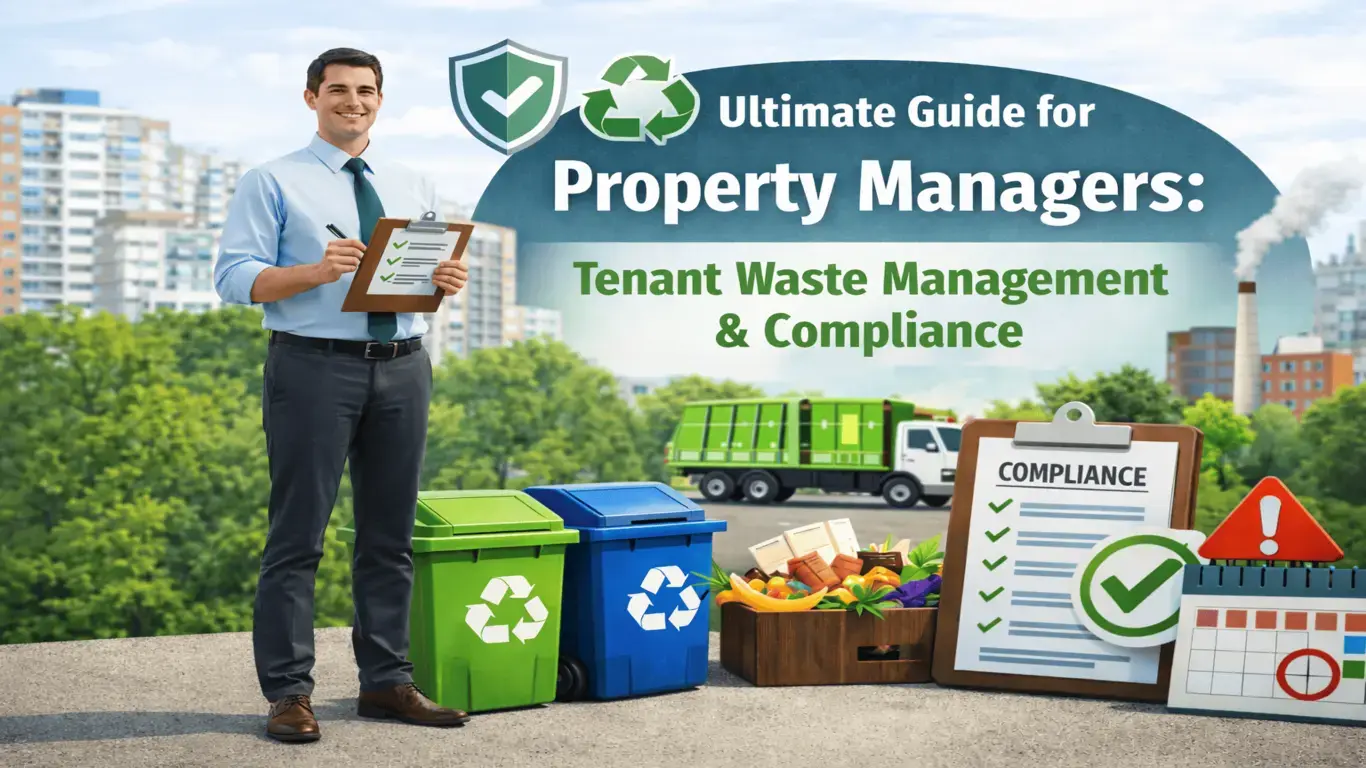
Waste management compliance means following local regulations around waste management while keeping your property clean and safe. It is not only about bins. It covers waste handling, storage, collection, and proper disposal and recycling. Property managers must make sure the waste system on site works every day, not just during inspections. Compliance also means understanding the types and amounts of waste produced and how waste management across your buildings is handled. If waste is stored badly or mixed incorrectly, risks increase. Good waste management keeps people safe and avoids fines. It also protects property value over time.

Before changing anything, you must understand your current waste management. Look at how waste is handled from the bin to collection. Check waste collection and disposal routes. Review how tenants use bins. Are labels clear? Is waste overflowing? Regular waste audits give honest answers. This step helps you spot gaps and plan improvements. Without this review, changes may miss the real problem. Following best practices ensures you address issues efficiently.
| Property Type | Avg Units | General Waste | Recycling | Organics |
|---|---|---|---|---|
| Small block (1–10) | 1 | 2 | 1 | 1 |
| Mid block (10–30) | 2 | 4 | 2 | 2 |
| Large block (30+) | 4 | 8 | 4 | 4 |
This structure helps managers plan bin needs without guesswork. Adjust based on actual waste generation. Each property is different, and tenant habits can change over time. Regular reviews make sure bin numbers stay practical and effective.
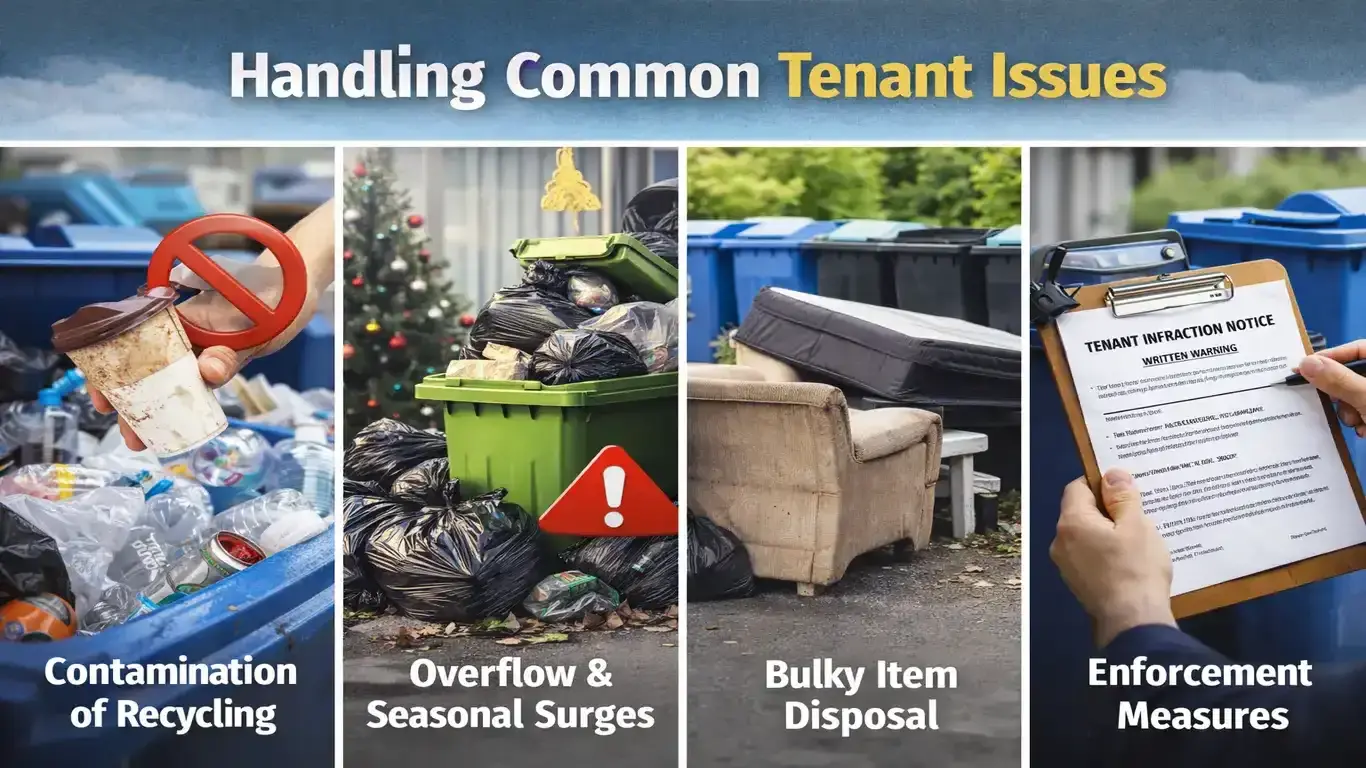
A checklist keeps tasks clear. It helps property managers stay organised and confident. Review it often. bioCURE supports each step with guidance and tools, helping streamline your waste management across properties. Following the checklist reduces the chance of missed steps or compliance issues. It also helps with onboarding new staff or managers. These steps will also help reduce the amount of waste produced across the property.
| Checklist Item | Action Required | Frequency | Notes / Tips | bioCURE Solution |
|---|---|---|---|---|
| Waste service subscription | Ensure all waste collection services are licensed | Ongoing | Keep records of contracts and licenses | bioCURE provides access to licensed waste collection partners and ensures all services meet compliance standards |
| Bin provision & labelling | Provide correct bins for general, recycling, and organics | As needed | Check bin placement for accessibility | bioCURE advises on optimal bin types, quantities, and placement for efficient tenant use |
| Tenant education | Communicate waste sorting rules | At move-in & quarterly | Use welcome packs, emails, and signage | bioCURE offers educational materials and tenant engagement campaigns |
| Contamination prevention | Monitor and address recycling contamination | Monthly | Provide reminders and incentives | bioCURE provides guidance on contamination monitoring and strategies to reduce incorrect disposal |
| Overflow management | Schedule pickups according to property needs | Weekly / Seasonal | Adjust frequency during peak seasons | bioCURE helps plan collection schedules based on property size and seasonal fluctuations |
| Bulky item disposal | Provide clear guidelines for tenants | Ongoing | Include collection contacts or drop-off points | bioCURE offers solutions for bulky waste collection and disposal logistics |
| Documentation & reporting | Maintain waste transfer notes and compliance certificates | Ongoing | Keep for audits and inspections | bioCURE assists with record-keeping, reporting templates, and compliance documentation |
| Audits & KPI tracking | Conduct waste audits & track compliance KPIs | Monthly | Track contamination rates, complaints, and collection efficiency | bioCURE provides audit tools and KPI tracking support for continuous improvement |
| Tenant compliance enforcement | Address non-compliance with clear procedures | As needed | Include policies in tenancy agreements | bioCURE advises on enforcement policies and tenant communication strategies |
| Continuous improvement | Review and update policies | Quarterly | Adjust strategies based on audit results and tenant feedback | bioCURE offers ongoing consultancy to refine waste management processes and enhance efficiency |
Property managers can track participation by monitoring recycling rates and contamination levels during regular waste audits. Comparing recycling volumes over time shows patterns. Simple checklists during bin inspections also help. Some properties use feedback forms or tenant reports. Clear records make it easier to see who follows rules and where education is needed. Tracking waste does not need complex tools. Consistent observation works well.
Common mistakes include mixing non-recyclable waste with recycling and dumping bulky items incorrectly. These issues often come from confusion. Clear signage, regular reminders, and simple guides help prevent mistakes. Education at move-in is key. When tenants understand the waste system, errors drop. Calm communication works better than punishment.
South African regulations require proper waste disposal and recycling using licensed services. Multi-unit properties must keep records and follow local waste rules. Failure to comply can lead to fines. Regulations also support waste diversion and efficient waste practices. Property managers must stay informed and ensure systems meet legal standards at all times.
Yes, property managers can face penalties if waste is not managed correctly. Even if tenants cause the issue, managers are responsible for the system. This is why clear rules, monitoring, and enforcement matter. Good documentation shows effort and can reduce risk during inspections.
Yes, waste often increases during holidays and move-out periods. Packaging waste and bulky items rise. Planning ahead helps. Adjust collection schedules and remind tenants early. Seasonal planning reduces overflow and keeps the property clean during busy times.

