Smelly Drains: What Causes the Drain to Smell?

Does your bathroom or kitchen sink sometimes have a bad smell that just won’t leave? You expect fresh air when the water goes down the drain, but often there’s a stink rising from the shower drain, bathroom drains, or even the kitchen drain. It’s never a good surprise. Maybe your first thought is to grab the phone and call a plumber, suspecting something’s wrong with your drainage. Before you do, try to work out what’s really happening in your pipes. It might save you time, money, and worry.
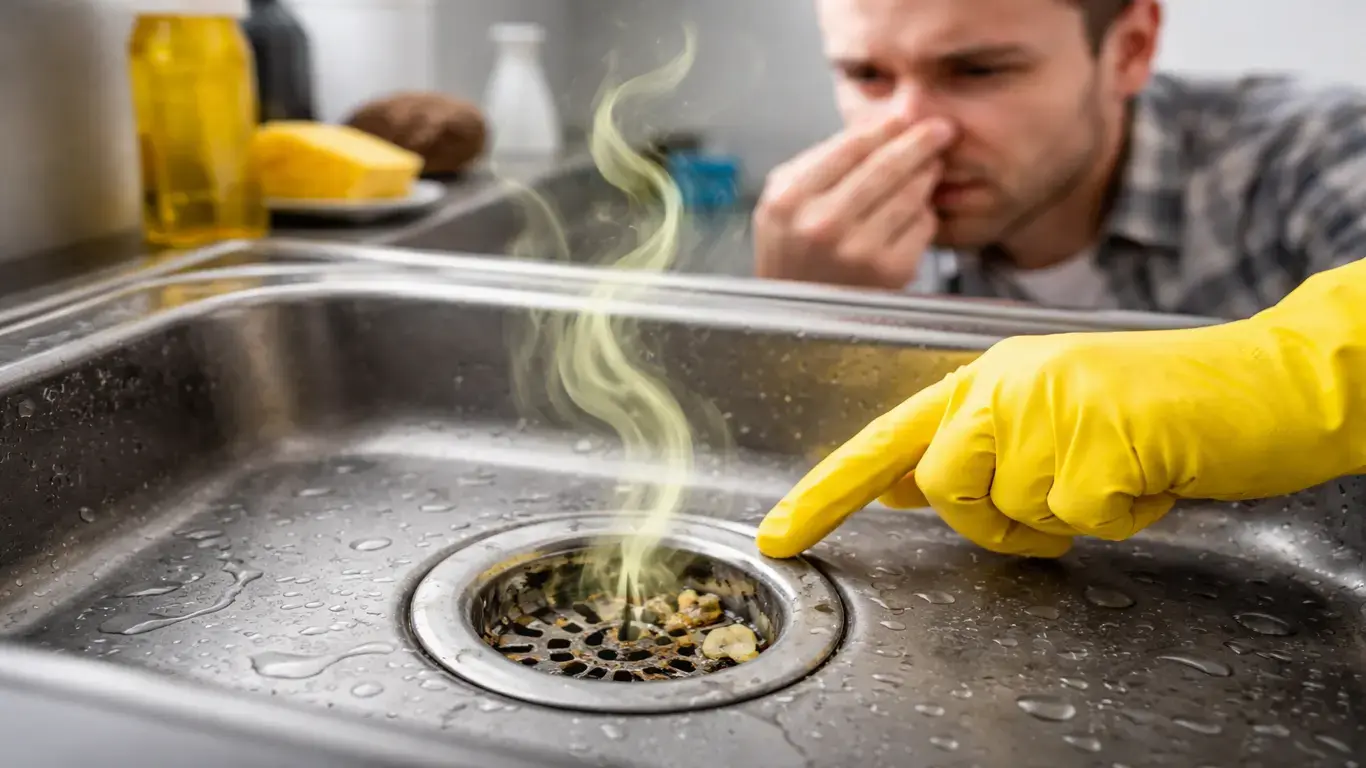
Smelly Drains: What Causes the Drain to Smell?

What are Smelly Drains?

When we talk about smelly drains, we’re not just talking about an everyday annoyance. Strong smells from a drain mean something in the pipework isn’t right. This usually happens when gas or rotting stuff should be getting flushed away but somehow escapes into your room.

You could notice a damp or food-like odour, or even get a rotten egg scent drifting up. These smells hang about if there’s a problem with your plumbing barrier or if debris is stuck somewhere, keeping odours trapped in the system instead of letting them leave your house.

5 Common Causes of Drain Smell

If you notice a strange drain smell, it’s important to hunt down exactly what’s behind it. The reasons can be simple or a bit more involved, so it helps to know where to look. Here are some frequent causes of smelly drains you might face at home.

1. Bacteria Buildup

Every time things go down the sink or you use the plug, little leftovers stick to pipes and start to collect. Grease, food particles, hair and soap scum pile up where you can’t see them. If these keep on building, the dark, damp pipe soon lets bacteria grow fast. Bacteria then feed off the mess, releasing gases as they do. Hydrogen sulphide is the main culprit behind that unmistakable rotten smell.
  • Food particles: Even small scraps, fat and oil stick to pipe walls.
  • Soap scum: When soap dries, it can create extra sticky patches.
  • Hair: This is common in the bathroom and can grab other bits, making a clog.
  • Grease: Cooking fat from pans cools and hardens, sticking to the inside.
Layers of this waste let bacteria thrive. As they break it down, the smell can spread right through your home—especially if you don’t clean things out often.

2. Dry P-Trap

Under every sink is a U-bend known as a P-trap. It’s designed to hold a little water, which blocks sewer gases from drifting back inside. Sometimes, though, this water dries out or leaks away, and the smells come straight up your drains. You might have this problem if:
  • The drain is rarely used: A bathroom that sits empty means water inside the trap slowly evaporates away.
  • There is a leak: If a joint or fitting isn’t tight, or there’s a crack, the water escapes too soon.
Run fresh water for a minute to refill and reset the trap. Usually, that’s enough to keep smells blocked and your room fresh.

3. Sewer Line Issues

It’s time to think bigger if you pick up a stink in more than one room, or in the whole house. This is often a sign of a fault deeper down, like a cracked sewer line, a big clog, or tree roots breaking in from outside. Just cleaning a nearby drain might not fix it, as the trouble is outside your reach. This job is for a plumber or drainage specialist, as it’s sometimes unsafe to leave it. Don’t ignore lasting or spreading odours—call for help before damage gets worse.
  • Clogs in the main line: Backed-up pipes force sewage smells up every drain.
  • Cracked or broken pipes: Gas and rotten smells drift through broken pipework or soil.
  • Tree roots: These sneak into pipes looking for water, blocking the flow.
Calling a pro for these bigger sewer issues protects your home and might stop the need for bigger repairs later on.

4. Mould or Mildew

The pipes inside your house are damp and dark most of the time. This makes mould and mildew problems quite common, especially if water sits still for too long. How do you spot this?
  • A musty smell: It’s earthier, not sharp or sour, almost like wet washing left out.
  • Discolouration: Look for odd-coloured slime (black, green or pink) near the plughole or entry points.
Mould doesn’t just ruin air quality—it brings health risks, too. Breathing in spores can bother your lungs, so acting early if you notice signs is a smart step.

5. Ventilation Problems

Vents and pipes on your roof let air move freely through your plumbing. This helps stop pressure from building up. If these get blocked with rubbish, leaves or damaged in a storm, the result is simple: sewer gases have to escape somewhere, and they might find your drains instead.
  • Debris: Fallen leaves or twigs, sometimes even nests.
  • Storm damage: High winds or heavy weather can damage vent pipes up top.
  • Poor installation: Badly fitted vents fail to move air properly.
Problems here can be harder to spot without checking outside your home, but they’re worth fixing if you want fresh air all the time.
5 Common Causes of Drain Smell

5 Simple Steps to Find What’s Causing the Smell

It isn’t always obvious where smelly drains start. Sometimes you can tell right away but other times, a bit of careful checking is needed. Following these steps can help you work out if you can sort things on your own or if you’ll need outside help.

1. Conduct a “Nose-First” Inspection

Your nose is your first and best tool here. Go to each area of the house where you use water. Check the kitchen sink drain, all bathroom drains, and the shower drain. Smell up close by the plughole. Can you tell where the smell coming from is the strongest? Is it a sharp scent, or more rotten or like food waste? This should show you if a quick clean will work, or if the drain needs special attention from someone who knows pipes.

2. Search Common Hidden Food & Waste Sources

Smells near the kitchen or bathroom sink are not always from the pipes at all. Sometimes, old food tucked away at the back of a cupboard, or a spill under the sink, is enough to get that smell. Check well: peel up bin liners, move bottles around, and see if there are leaks you missed. It’s much better to spot a lost bit of food than tear into your pipes for no reason.

3. Check for Hidden Moisture and Mould

If a smell lingers even when the drains look clean, look for leaks or dampness. Check near pipes, around or underneath the sink, and behind cupboards. Small wet patches or soft spots can point to leaks you can’t see without looking closely. Even just a little water lets mould and gunk build up over time, which you’ll want gone as soon as you spot it.

4. Inspect Plumbing and Drains

Look all around the plumbing whenever a drain acts slowly or starts to drain away more slowly than normal. Lift off covers if possible, shine a light in and see if hair or a mess of soap scum is making a clog. If the blocked drain is under the sink, check the joints are tight and look for puddles under the P-trap. Loose joints or leaks mean sewer gases could escape, which brings the smell right into the room.

5. Check for Pests or Structural Issues

If you notice a sharp or unpleasant new scent, especially one that doesn’t shift no matter what, pests or even shifting walls or floors could be the reason. Rodents sometimes travel in pipe spaces or build nests—these leave strong smells. Look as well for cracks or damage near pipes, which may allow septic smells or gases up. If you see these signs, regular DIY methods probably won’t do; you will need to contact a pro to sort things out so you stay safe.

How to Get Rid of Drain Smell: DIY Solutions

You can try a few DIY fixes first if you want to tackle a smelly drain at home. Many common smells go away with simple cleaning or blockages cleared out. These steps are a solid start; see if they sort things before making that professional call.
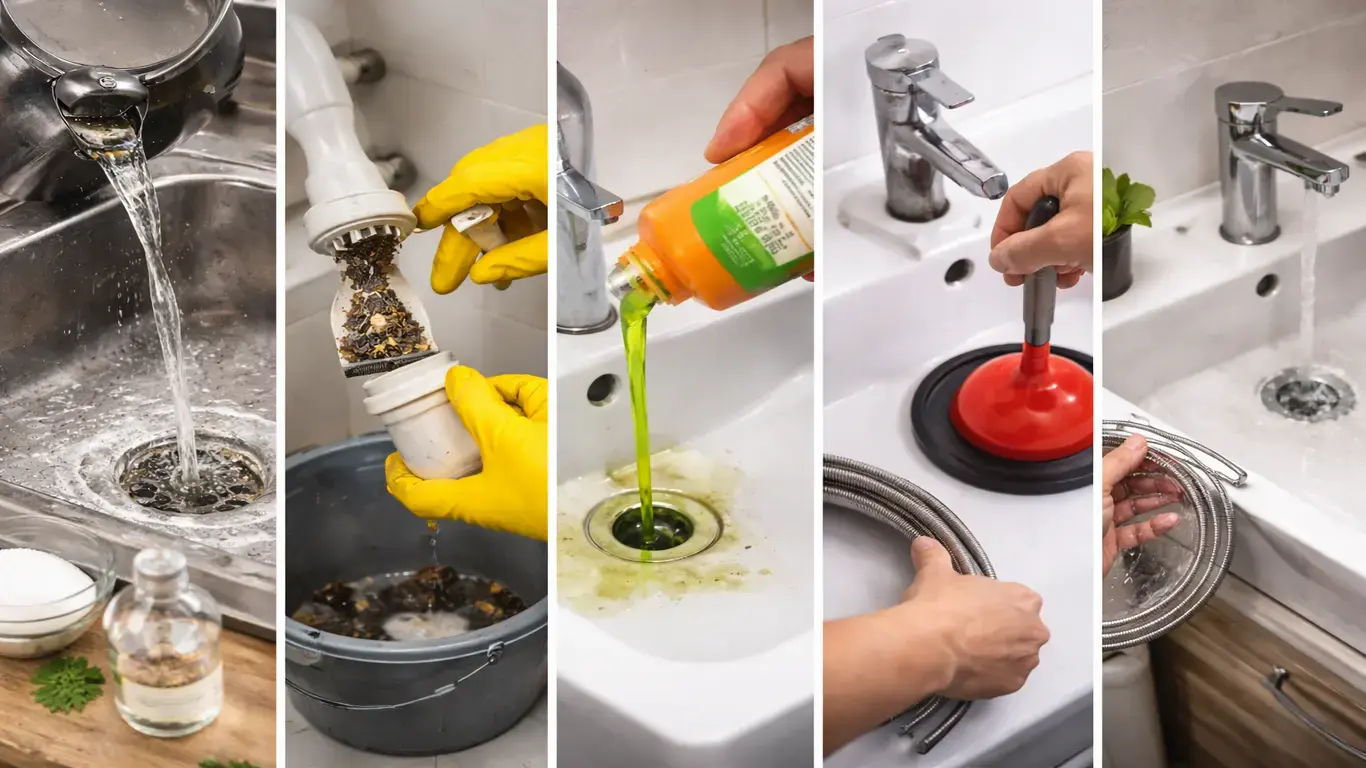
  • Flush with Hot Water and Baking Soda: Boil a kettle and pour the hot water down your plughole. Add a cup of bicarbonate of soda, then pour in some white vinegar. The fizz breaks up light blockage, grease, and nasties inside. After a short wait, flush with more boiling water.
  • Clean the P-Trap: Place a bucket under the U-bend underneath the sink. Carefully unscrew it, empty all the gunk, and clean the parts before putting it all back together. Properly refitting it is key to stopping smells from returning.
  • Use a Natural Enzyme Cleaner: Enzyme-based drain cleaner products break down soap scum and old food gently, without harming your pipes.
  • Use a Bacteria-Based Cleaner: Bacteria-based drain cleaner products, like drainCURE, effectively break down soap scum and old food while being gentle on your pipes. These cleaners use natural bacteria to digest waste, providing an eco-friendly and efficient solution for smelly drains.
  • Check for Blockages: Try a drain snake or plunger. If you spot hair, waste, or bits in reach, carefully pull them out. This helps clean drains fast.
  • Run Water in Unused Drains: For a bathroom or sink that doesn’t get used much, run water through it every so often. This keeps the P-trap full, so it creates a seal that prevents gases from escaping.
How to Get Rid of Drain Smell: DIY Solutions

When to Call a Professional for Smelly Drains?

Most smells you can handle at home, but not all. There are times you must rely on a plumber to fix the trouble, or call an expert in plumbing and drainage. Consider getting help if any of these fit your situation:
  • Persistent Odours: If cleaning out the pipes hasn’t helped and the drains still smell, you might need a CCTV drain survey to identify the root or hidden cause. This is a service we offer, providing a thorough inspection to pinpoint and resolve the issue effectively.
  • Sewage-Like Smell: Strong smells like sewage usually mean a bigger system problem; maybe a blocked or cracked main line.
  • Recurring Problems: If your drain smells keep coming back quickly, there’s probably something deeper in the system. A professional drain cleaner might use drain jetting to clear out wider blockages or diagnose long-term issues.

Preventing Drain Odours in the Future

Small habits, done regularly. That’s all it takes. Don’t pour cooking grease down the drain. Put strainers over plugholes so food and hair get caught before they enter the pipes. After using a sink, pour water down the drain for a few seconds. Flushes residue before it gets a chance to stick. Drains in your kitchen and bathroom that rarely get used? Run the water every couple of weeks to keep the P-trap sealed.

For businesses and communities dealing with persistent odour issues on a larger scale, having the right waste management partner matters. bioCURE provides expert odour-control solutions for smelly drains, designed for your specific situation. Whether it’s recurring smelly bathroom drains, industrial water management concerns, or broader waste challenges across your site, bioCURE helps you learn how to fix smelly drains at the source and eliminate the cause for good. You don’t need to contact multiple providers. Reach out to find the right approach for your needs.

FAQs

How often should I clean my drain to prevent odours?

A good rule is to clean drains weekly. Use just hot water down the plughole for basic upkeep, removing simple build-up. Once each month, tip in a bit of bicarbonate of soda followed by vinegar—this helps shift any tough build-up. Doing this keeps food particles and other bits from sitting too long and makes sure your kitchen sink drain won’t start to stink.

Why do some drains smell only when water runs?

When water starts flowing, old waste or gunk coating the pipes gets disturbed. The air pushes up as the water moves, sending old smells through the plughole at that moment. This is common when grease or soap scum has layered inside the pipes. Scrub and clean smelly drains well and this should help the problem fade.

What is the best thing to use on smelly drains?

One of the safest ways is to use baking soda and vinegar down the plughole. The bubbling action helps break down grime without damaging your pipes. For a more effective and long-term solution, our product Drain Cure can be used regularly to prevent blockages and keep your drains free-flowing. Avoid strong bleaches, as their harsh chemical reactions can sometimes worsen the problem by damaging older pipes.

Noleen Samuels
Follow me
WhatsApp
bioCURE