
Best Practices for Maintaining Hygiene Standards in Retirement Facilities
A place of this setting should feel calm, cared for, and easy to trust. Not polished for show. Properly looked after, day after day. Older people rely on routines that protect comfort, privacy, and health, especially when movement, memory, or strength begins to change.
A home can look pleasant, yet still miss the quiet details that matter. Fresh bedding. Dry floors. Clear storage. Warm support with washing. A respectful word before assistance is given. These small things shape daily life. They help people feel safe and comfortable, without making care feel cold, rushed, or mechanical.
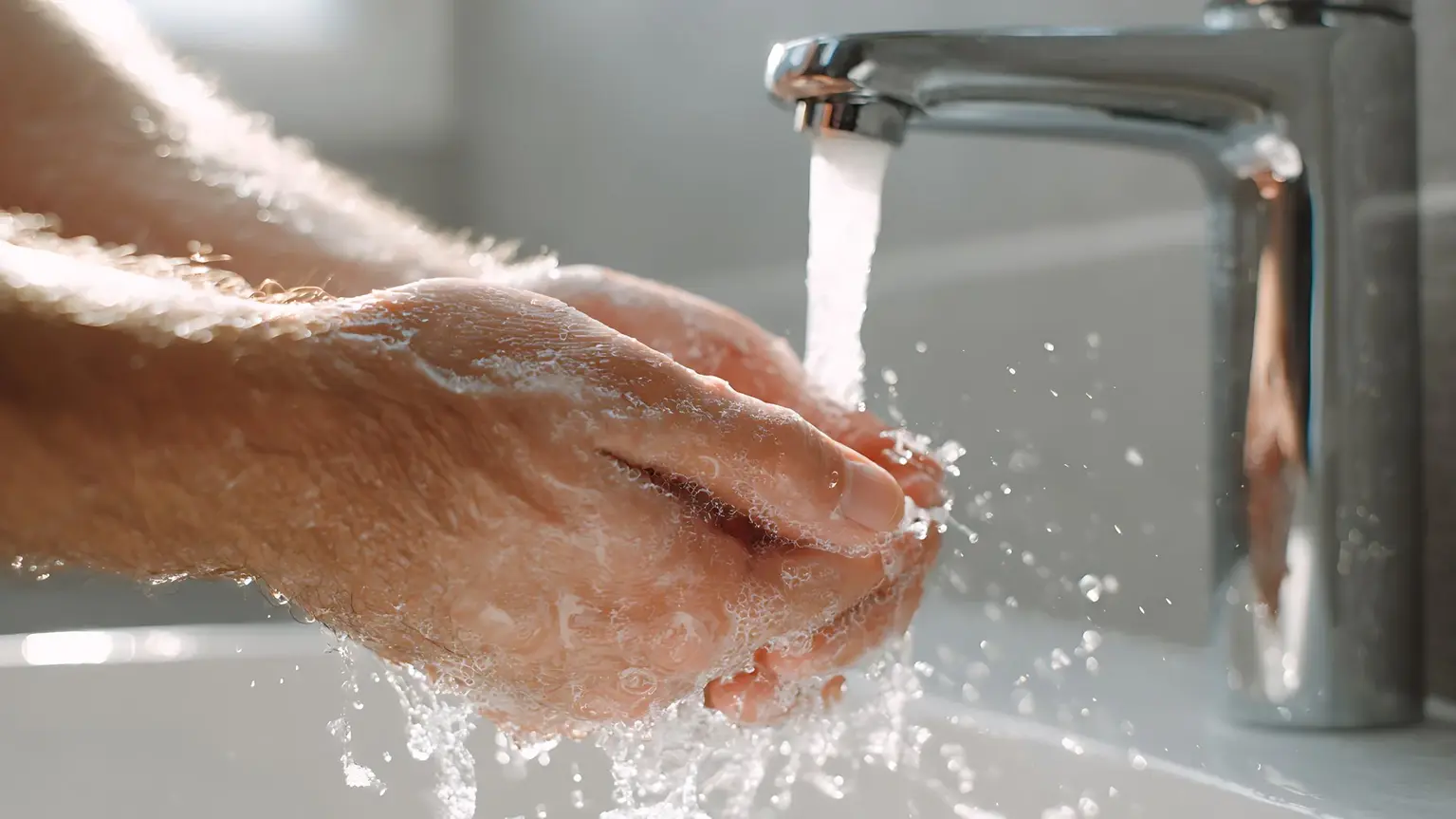
Hygiene Standards in Retirement Facilities
are the practical rules and daily habits that keep care spaces orderly, respectful, and fit for older people. They include personal hygiene, waste routines, laundry, food areas, shared surfaces, staff conduct, and support with washing, dressing, oral care, and toileting.
It is not one big action. It is repeated detail. Quiet detail. A dry towel placed where it should be. A bathroom checked before it becomes unpleasant. A person helped to bathe without embarrassment. Good care protects dignity first. Then comfort follows. Then confidence. That is how trust is built.
The Importance of Hygiene Standards in Retirement Facilities
The real value sits in daily life, not policy language alone. A person may need help before meals, after using the toilet, or when tired hands cannot manage soap properly. Staff may need to remind, support, or step in gently.
Family members notice these things. They notice odours, laundry, the state of a room, and whether people seem settled. Good hygiene practices protect the environment around older people while keeping routines human. Not harsh. Not dramatic. Just reliable. It gives care structure, but still leaves space for warmth.
Skin and Wound Health
Older skin needs more care than people often realise. It is so vulnerable and needs care as someone would do for their own loved one. The elderly person who sits for long periods may need closer attention. Fresh clothing, dry bedding, gentle washing, and prompt help after continence leaks are essential. In general, cleanliness is important in all aspects, but when it comes to skin and wounds, it is a top priority.
Infection Control
This area matters because many older people have a weaker immune system. A mild illness for one person can become serious for another. Regular handwashing, careful support after coughs or stomach upsets, and proper use of protective items help prevent the spread of illness. The work is not glamorous. It is ordinary. But ordinary care, repeated properly, protects people.
Mental and Emotional Well-Being
How fresh, respected, and seen a person feels can affect their mood. Poor hygiene can make someone withdraw, feel ashamed, or lose interest in social life. A clean shirt, brushed hair, mouth care, and help to wash can lift mood quietly. It is not vanity. It is identity. People still want to feel like themselves.
Regulatory Compliance and Trust
Trust depends on visible care and proper records. Every regulation has a reason behind it, even when the paperwork feels dry. Managers need evidence. Staff need guidance. Families need reassurance. When routines are followed, reviewed, and corrected, confidence becomes easier to maintain. Not through promises. Through proof. Small proof, seen in the way daily care is delivered.

Common Hygiene Challenges in Retirement Facilities
Problems often appear in the busiest and most ordinary places. A shared chair. A walking frame. A dining table after lunch. A cup beside the bed. One missed task may seem minor, until the same gap repeats across a day.
Some people need reminders. Others need physical assistance. Some feel embarrassed and say they are fine when they are not. Inadequate routines make all of this harder. A good plan must cover the person, the surroundings, and the staff member doing the work under real pressure.
Resident Mobility and Personal Care Needs
Needs vary from person to person. One may walk freely. Another may need help to stand, dress, wash, or reach the toilet in time. Support must be practical, but never rough. Never careless. A person who needs help with washing still needs privacy, warmth, choice, and patience. That is where respectful care shows itself.
High-Touch Communal Areas
Busy shared points need frequent attention because many hands meet the same places. Door plates, rails, taps, lift buttons, chair arms, shared controls, and equipment can pass a germ quickly. A visitor may touch several areas before sitting down. Staff need simple routines at regular intervals, especially before meals, after activities, and during busy visiting times. Small timing choices matter.
Shared Living Spaces
Shared rooms should feel welcoming, not tense or clinical. Still, comfort depends on order. Crumbs, cups, tissues, spills, and marks on furniture can build quickly when several people use the same lounge or dining area. People should be able to dine, talk, rest, and join activities without noticing neglect. The space should feel lived in. Not dirty. There is a difference.
Laundry, Linen, and Incontinence Waste
This part of care needs quiet control because it affects smell, comfort, privacy, and health. Used towels, clothing, wipes, pads, and bedding should be moved away calmly and discreetly. Fresh items must stay separate. Storage should be simple for staff to use, even during a busy shift. Nobody should feel exposed because their body needs support. Good care protects quietly.
Top 5 Practices for Maintaining Hygiene Standards in Retirement Facilities
The strongest approach is practical enough for a real shift. Not just written neatly in a folder. Staff need to know what happens first, what must never be skipped, and where responsibility sits. A strong assisted living community depends on repeated habits. Hands washed. Laundry separated. Food areas kept orderly. Waste removed. These actions do not need noise around them. They need steadiness. When hygiene and safety are treated as everyone’s work, daily care becomes calmer and more dependable.
1. Sanitize High-Touch Surfaces Frequently
These contact points carry the rhythm of the day. Hands on rails. Fingers on switches. Palms on chair arms. Shared controls moved from one person to another. A handwashing station nearby can help, but surfaces still need planned attention. Staff should return to these points often, especially when people are moving between meals, activities, rest periods, and visits.
Why It Matters: Shared touch points can move bacteria quickly between people. Frequent attention breaks that chain before it becomes a wider problem. It also shows care.
Areas That Require Extra Attention: Rails, taps, door plates, call bells, switches, chair arms, shared remotes, keypads, walking frames, and dining tables need closer attention.
Best Practice Tips: Keep approved products nearby, assign responsibility clearly, revisit busy areas often, and record completed tasks without turning the work into theatre.
2. Implement a Two-Step Cleaning and Disinfection Protocol
This two-step approach keeps the work honest. First, visible marks, dust, food, or body fluids are removed. Then the area is treated with the right product for the right amount of time. If the first stage is rushed, the second stage is weaker. Simple as that. Staff should understand why both steps exist, especially after spills, illness, or continence accidents. The method should feel clear, quick, and repeatable.
Difference Between Cleaning and Disinfecting: Removing visible matter is one job. Treating what cannot be seen is another. Both are needed when surfaces have been used heavily.
Recommended Process: Remove visible soil first, apply the correct product next, allow contact time, leave to dry where required, and note completion.
3. Optimize Waste Management and Fluid Spill Protocols
Spills and waste need a calm, immediate response. No confusion. No searching for gloves or bags. Staff should know where items are kept and what to do when something happens in a bedroom, corridor, lounge, or dining space. Sanitation depends on speed, but also on discretion. A spill is not just a task. It can be embarrassing for the person involved. Care must protect privacy while restoring order quickly.
Risks of Improper Disposal: Delayed removal can cause odour, distress, pests, cross-contact, and greater exposure to harmful matter for people nearby.
Safe Handling Procedures: Wear protective items, contain the spill, remove waste correctly, treat the area, wash hands, and report unusual concerns straight away.
4. Maintain Safe and Frequent Laundry Practices
Fresh fabric affects how people sleep, sit, dress, and feel about themselves. It can change a morning. So can damp, marked, or misplaced clothing, but in the wrong direction. Used items should be separated from fresh ones at once. Routes should be clear. Hampers should be covered. Nothing should be left on floors. A hygienic laundry routine protects comfort as much as health, and people notice it.
Preventing Cross-Contamination: Keep used and fresh items apart, use covered containers, avoid floor contact, and move laundry through agreed routes only.
Linen Handling Procedures: Bag items where used, label when needed, wash at suitable settings, dry fully, and return them without long delays.
5. Enforce Staff Training and Routine Audits
Good care can drift when people rely too much on memory. New staff need clear direction. Experienced staff need refreshers too. Training should cover waste, spills, laundry, food safety training, hand care, records, and safety practices. Reviews should evaluate what is really happening, not what people hope is happening. Managers should inspect weak points, speak plainly, and support better adherence without turning every gap into blame.
Importance of Ongoing Education: Ongoing learning keeps expectations fresh. It helps staff understand the reason behind each task, not only the task itself.
Hygiene Compliance Monitoring: Ongoing learning keeps expectations fresh. It helps staff understand the reason behind each task, not only the task itself.
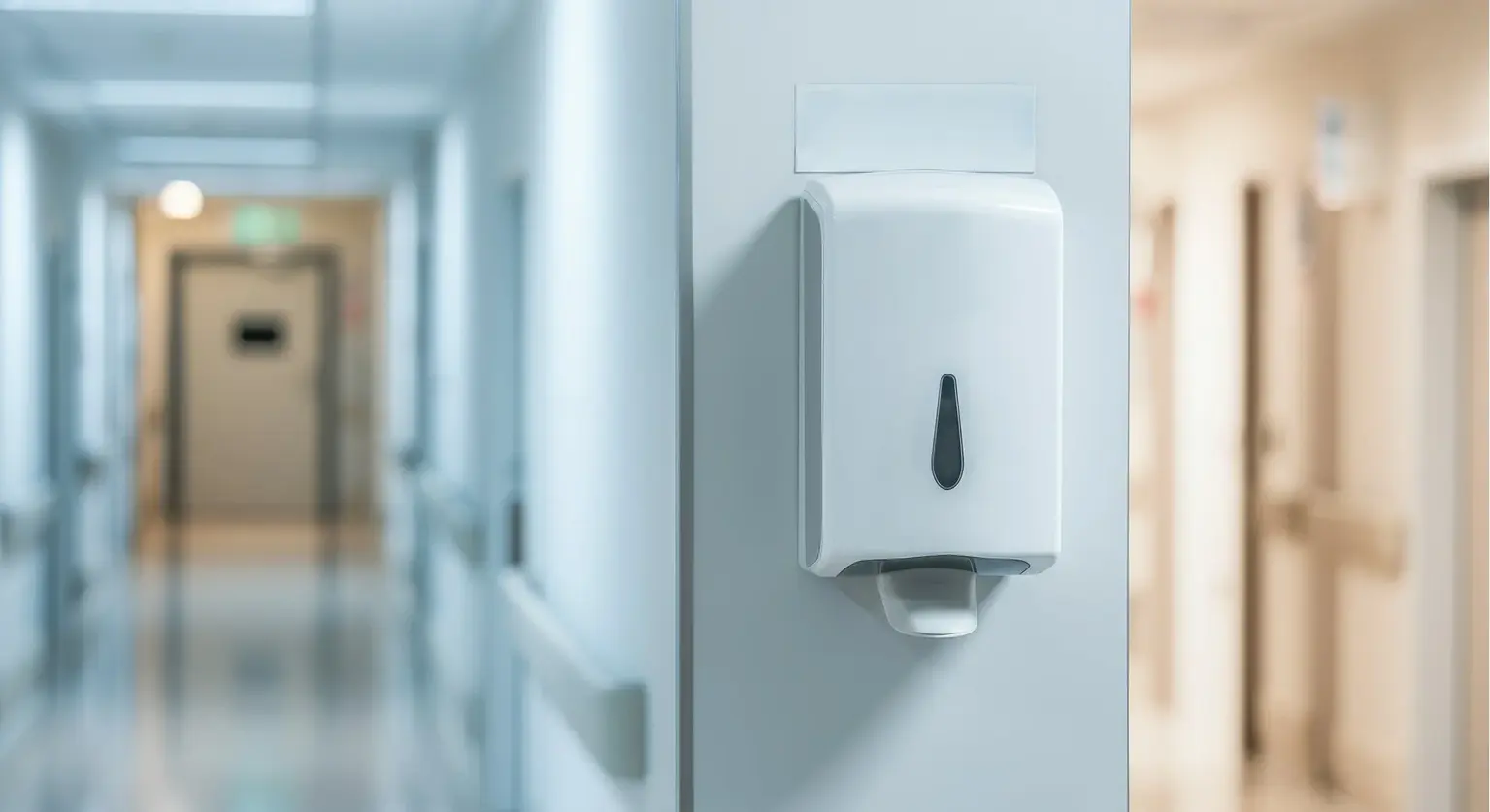
Retirement Facility Hygiene Checklist
A checklist turns daily care into something staff can follow under pressure. It should not be complicated. It should be useful. The checklist needs to cover daily duties, weekly deeper work, and longer maintenance checks, so nothing relies on memory alone.
Housekeeping staff, carers, supervisors, and managers all need the same picture. What has been done. What still needs attention. What keeps repeating. A checklist also helps new workers settle faster because the work is visible. Less guessing. Fewer missed corners. More consistent care for everyone.
Daily Cleaning & Sanitization
Daily routines should focus on the places people use most. Dining tables. Rails. Toilets. Taps. Switches. Call bells. Shared seating. The work should happen before areas feel neglected, not after complaints. Staff should also encourage regular handwashing in a calm way, especially before meals and after toilet use. Nobody wants to be scolded. A reminder can be gentle and still effective. Daily rhythm is the point.
- High-Touch Surfaces: Treat handles, rails, switches, controls, chair arms, taps, call points, and shared devices often.
- Communal Areas: Refresh lounges, corridors, dining spaces, reception points, activity areas, and waiting spots throughout busy periods.
- Trash & Linens: Remove waste, used fabrics, continence items, and full bags promptly through agreed routes.
- Resident Restrooms: Check every bathroom for taps, rails, floors, toilet seats, dispensers, odour, and call points.
Weekly Deep Cleaning
Weekly work reaches the places daily care may not fully cover. Bedrooms, shower areas, skirting boards, curtain edges, chair bases, storage cupboards, and quiet corners need time set aside. This is where early problems often show up. Staining. Dampness. Loose fittings. Odour. Wear around beds or seats. Weekly care should not feel like catching up after neglect. It should feel planned, steady, and expected.
- Personal Living Spaces: Refresh personal areas carefully, respecting privacy, belongings, routine, comfort, and individual preference.
- Showers & Tubs: Treat drains, seals, taps, rails, seats, screens, and wet floors with close attention.
- Appliances: Check fridges, kettles, microwaves, hoists, shared devices, and small appliances for spills or faults.
- Mobility Aids: Wipe wheelchairs, walking frames, cushions, brakes, handles, grips, and footplates with suitable products.
Monthly & Quarterly Maintenance
Longer-cycle checks should look beyond what people immediately see. Airflow, vents, mattresses, soft furnishings, deep corners, drains, and environmental conditions can affect comfort over time. Regular inspections and effective odour control can help identify persistent smells linked to drainage, waste storage and poor ventilation before they become bigger problems.
These checks help managers notice patterns before they become bigger problems. Repeated odour. Damp flooring. Worn seals. Poor ventilation. A site that cares well does not wait for complaints. It looks again. Then again. At the right points in the year.
- Air Quality & HVAC: Review filters, vents, airflow, smells, service notes, and temperature comfort across shared areas.
- Under-Furniture & Mattresses: Look beneath beds, chairs, cushions, and mattresses for dust, moisture, stains, or hidden waste.
- Safety Inspections: Review flooring, rails, lighting, alarms, access routes, supports, and any repeated maintenance concerns.
Maintaining High Hygiene Standards for Resident Safety and Well-Being
The final aim is a full daily experience, not a narrow list of chores. Senior living should support health and well-being, privacy, comfort, social contact, and choice. People should feel able to wash, eat, rest, move, and welcome visitors without anxiety.
That takes planning, training, and sometimes a specialist view when needs are complex. Comfortable living does not happen by accident. It comes from steady routines, thoughtful staff, and managers who keep watching the real picture. Not only the paperwork. The life people actually live.
FAQs
What are the most common hygiene risks in retirement facilities?
The most common issues include shared touch points, delayed bathroom checks, used fabrics, food spills, waste build-up, and poor hygiene after personal care. Small gaps matter. Older people may also need reminders or physical help. When support is missed, illness can move more easily through shared spaces.
How often should retirement facilities be cleaned?
Busy areas need attention every day, with extra visits after meals, activities, spills, illness, or visiting periods. Personal spaces need regular care too, but privacy still matters. Deeper work should happen weekly, monthly, and quarterly. The right pattern depends on use, need, and visible condition.
What cleaning products are best for retirement facilities?
Products should suit care settings, the surface being treated, and the people nearby. Staff need clear directions, correct dilution where needed, and enough contact time. A strong smell does not mean better results. The right product is the one that fits the task and can be used safely.
Why is infection control especially important in retirement facilities?
Infection control is especially important because older people can become unwell faster and recover more slowly. They also share lounges, dining spaces, bathrooms, and care support through the day. One missed routine can affect several people. Good daily habits protect comfort and health before a small illness grows.

- Preparing Hotels and Guest Houses for the Holiday Season - October 20, 2026
- The Importance of Effective Waste Management in Retirement Homes and Villages - September 24, 2026
- How Municipalities Can Extend the Life of Existing Wastewater Infrastructure - September 15, 2026
