
Reduce Facility Costs with Preventative Drain Maintenance
Facility drainage behaves quietly. Until it does not. A sink slows down, a washroom starts to smell, water backs up near a floor drain, and suddenly the issue is no longer hidden below the surface. It is in front of customers, staff, guests, patients, or tenants.
Preventative drain maintenance keeps that moment further away. It brings drain cleaning, inspection, simple waste controls, and planned cleanings into a steady routine. Not glamorous. Useful. For busy facilities, it reduces rushed callouts, protects hygiene, and helps keep your plumbing working without the kind of disruption that eats into budgets fast.
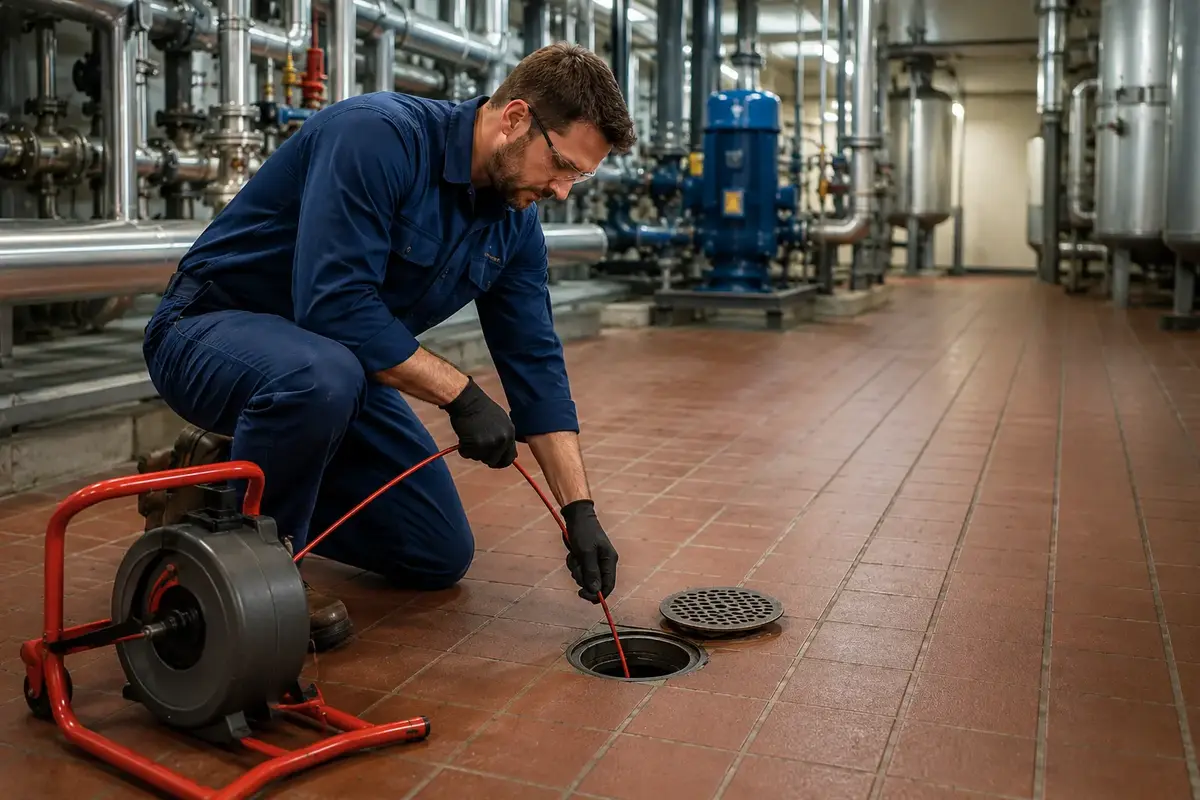
What is Preventative Drain Maintenance?
Preventative drain maintenance consists of multiple things. Starting with the routine cleaning and inspection, and going down to the care of a plumbing system before small build-up turns into a serious blockage. But it doesn’t just mean showing up to the location and fixing the problem. It also means looking at past servicing and checking drain pipes. After the inspection comes removing grease, soap scum, hair, food particles, fat, and other residue before they narrow the line.
This process protects the wider drainage system. It is helping wastewater move as it should. Good regular maintenance helps keep everything working perfectly. It keeps your drains clean, reduces neglect, and calms facility managers because they know the system is perfect. They don’t have to face angry people when odours appear, or make those tough same-day service calls.
Why Preventative Drain Maintenance Matters for Facilities
Facilities depend on drainage all day, even when nobody thinks about it. Kitchen sinks, bathroom drains, staff toilets, public washrooms, floor gullies, plant areas, and cleaning points all need water to leave quickly and efficiently. When that stops, the problem spreads.
A sewer line issue or blocked main drain can affect several areas at once, not just one fixture. Planned drain and sewer care helps inspect hidden risks and catch potential problems before they become costly disruption. It keeps your plumbing steadier. Less drama. Fewer surprises below the floor.
Key Benefits of Preventative Drain Maintenance
The value sits in control. Preventative drain maintenance helps facilities reduce emergency repairs, protect infrastructure, limit foul odours, deter pests, and keep water flowing smoothly through pipes and drains. It also lowers the chance of pipe damage caused by pressure, corrosion, trapped waste, or repeated drain clogs.
Regular drain maintenance gives managers a cleaner rhythm: planned checks, planned cleaning, planned spend. Easier to live with. It helps keep your drains clear in high-use areas where grease, paper, hair, sediment, and poor disposal habits quickly create pressure. Small work, done regularly, often prevents large plumbing issues.
Prevents Costly Repairs
Big drainage repairs rarely begin big. Grease starts to solidify. A tree root finds a weak joint. Scale gathers inside a drain line. Then pressure builds. Preventative maintenance spots these warnings earlier, before cracks, leaks, collapsed sections, or heavy blockages force urgent work. A professional plumber can inspect the system, remove restrictions, and reduce the risk of expensive excavation, flooding, or emergency repair.
Improves System Efficiency
Efficient drainage is not complicated to recognise. Water leaves. Quickly. Without gurgling, backing up, or needing repeated attention. Routine care keeps a free-flowing drain by removing grease, sludge, sediment, and debris before the line narrows. When the system running smoothly needs fewer reactive visits, maintenance work becomes calmer.
Eliminates Foul Odors
Foul odours usually come from waste sitting where it should not. Trapped organic matter, stagnant water, biofilm, bacteria, or gases from the sewer can all creep into occupied spaces. Fast. Preventative maintenance removes that material before it rots and spreads smell through kitchens, washrooms, or public areas. It keeps drains clean and clear, protects comfort, and supports the kind of cleanliness people expect.
Extends Pipe Lifespan
Pipework wears faster when it is under constant pressure. Residue builds. Corrosion starts. Abrasive debris sits against the inner surface. Preventative maintenance keeps drain pipes clearer and helps identify early weakness before the damage becomes visible. It will not make old pipework last forever. Nothing does. But careful inspection and safe cleaning reduce strain on joints, bends, and older sections over time.
Deters Pests
Pests do not need much encouragement. Damp residue, standing water, grease, and food-rich build-up inside neglected drains are enough. Drain flies, gnats, and other insects often appear after the problem has already settled deeper in the pipe. Preventative cleaning removes the breeding material and improves flow. This is particularly important in restaurants, hotels, healthcare facilities, schools, and public buildings where pests damage trust quickly.
Signs Your Facility Needs Preventative Drain Maintenance
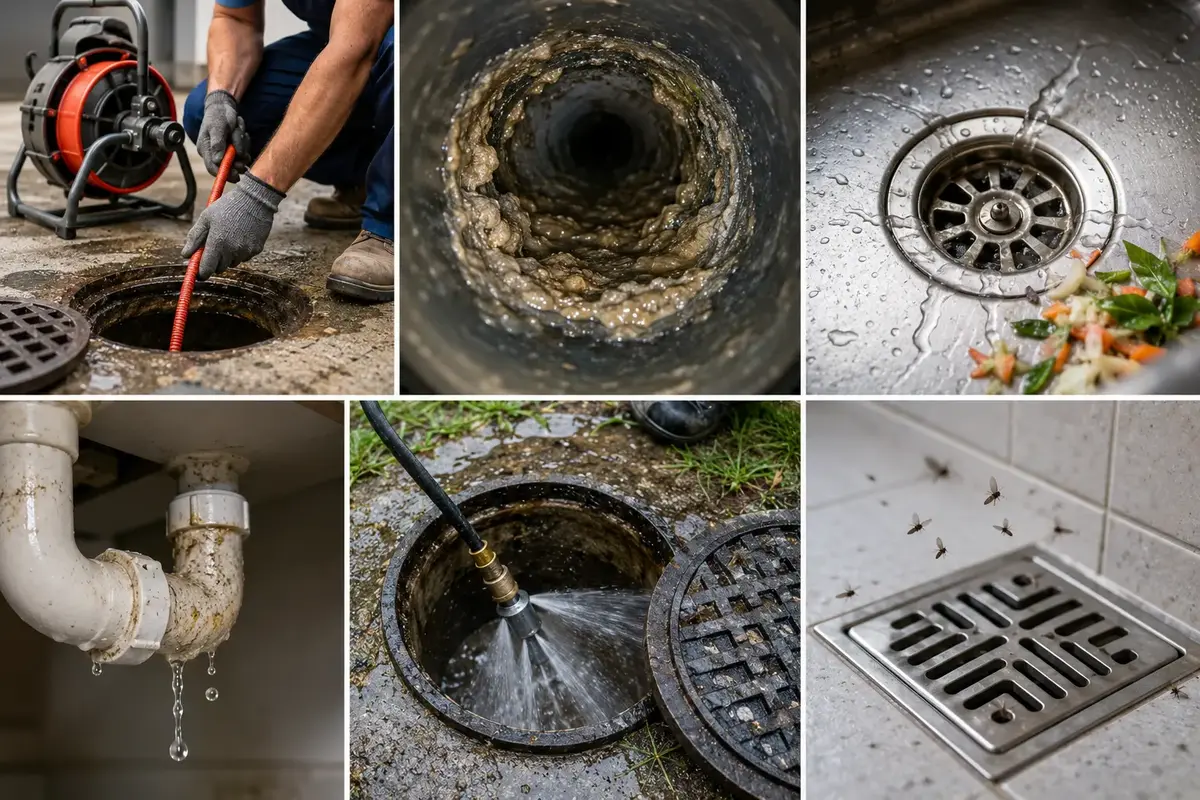
Drainage problems usually whisper first. Slow draining. Gurgling. Odd smells. Flies near a drain. Water pooling where it should disappear. Recurring grease trap or floor drain issues. One symptom might be local, yes. Several symptoms suggest the wider drainage network needs attention. Waiting until sewage appears on the floor is not caution, but rather a delay that should not be happening.
Maintenance is key because early signs reveal potential problems while they are still manageable. With regular drain checks, cleaning drains, and better waste controls, facilities can avoid disruption, contamination, complaints, and repair costs that grow quickly once water stops moving properly.
Gurgling Sounds
Gurgling sounds are often trapped air trying to move past a developing restriction. You may hear it after using a sink, toilet, shower, or floor drain. It can seem minor. Background noise. But repeated gurgling may point to poor venting, narrowing pipework, or early drain clogs. If several fixtures make the same sound, it is time to call for proper inspection.
Slow Draining
Slow draining is one of the clearest warnings. Water lingers in basins, showers, floor drains, or kitchen areas instead of clearing properly. Grease, hair, mineral deposits, and soap residue may already be narrowing the pipe. One slow sink may be simple. Several slow points suggest more. Regular drain care helps keep your drains clear before water starts coming back.
Foul Odors
Foul odours around drains should not be brushed aside. They may suggest dry traps, trapped waste, bacterial growth, or sewer gases escaping where they should not. In a facility, even a faint smell can change how clean the space feels. Preventative maintenance finds the source, removes rotting residue, and checks whether the issue sits locally or deeper in the system.
Water Backing Up
Water backing up means the line is no longer coping. Wastewater may rise in sinks, toilets, showers, or floor drains when another fixture is used. That connection matters. It can point to a restricted main drain, heavy build-up, or damaged pipework. Waiting can turn a contained fault into flooding, contamination, and expensive interruption. Once water returns, the warning is clear.
Drain Flies
Drain flies often appear when organic residue and moisture are sitting inside sink drains, floor gullies, bars, kitchens, or washrooms. Spraying the visible flies may help for a day. Maybe. It does not remove the breeding ground. Preventative cleaning clears sludge, biofilm, and food residue inside the pipe, helping keep the area cleaner and reducing the chance of repeat infestation.
Recurring Grease Trap or Floor Drain Issues
Recurring grease trap or floor drain issues usually mean something in the routine is wrong. Servicing may be too infrequent. Staff habits may need tightening. Fats, oils, and grease may be entering the line too often. Grease cools, thickens, and catches solids. Planned maintenance, better disposal routines, and scheduled drain cleaning services stop the same fault returning every few weeks.
Best Practices for Preventative Drain Maintenance
Good preventative drain maintenance is not one action. It is a pattern. Daily habits, clear waste rules, records, inspections, and suitable cleaning methods all working together. Only toilet paper and human waste should be flushed. Not wipes. Not feminine hygiene products. Not so-called “flushable” products that can still cause trouble inside real pipework.
Strainers should catch hair, food scraps, and small solids before they enter the line. For deeper issues, proper tools and techniques matter. CCTV surveys, jetting, drain clearing, a plumber’s snake, and experienced judgement all help protect drains and traps properly.
Baking Soda & Vinegar Treatment
For light freshening in suitable drains, a gentle mixture may help loosen minor organic residue. Pour a cup of baking soda down the drain, then add a cup of vinegar. Let it sit while it foams through the surface build-up. Some sites let it sit for an hour before rinsing. Useful for light care. Not a fix for serious blockages.
Regular Hot Water Flushes
Hot water can help move light grease and soap residue before it grips the pipe wall. In suitable lines, pouring boiling water down the drain may support routine care, especially where fats are already controlled. Use caution with older pipework, seals, and materials that dislike heat. A pot of boiling water sounds simple. It is. But it still needs judgement.
Use Drain Strainers and Good Waste Controls
Drain strainers do quiet work. They catch hair, scraps, labels, and small solids before those materials enter the line. Facilities should also make waste rules clear, especially in kitchens, washrooms, and utility spaces. Scrape plates. Bin solids. Separate fats. Do not rinse problems away and hope. Good controls reduce avoidable drain clogs before equipment, chemicals, or urgent callouts are needed.
Avoid Harsh Chemical Drain Cleaners
Harsh chemical drain cleaners can look like a quick answer. Often, they are not. Repeated use may damage pipes, seals, and the plumbing system and the environment. They can also push a blockage deeper without solving the cause. Commercial sites need safer methods. Mechanical clearing, inspection, and planned cleaning are usually better. If the issue keeps returning, find the reason.
Use Microbial Treatments Where Suitable
Microbial treatments can help some facilities manage organic residue. They use bacteria to break down material and may help break down organic matter in controlled maintenance programmes. Not magic. Useful in the right setting. Bacterial products are often suited to grease, food residue, and odour-prone areas where harsh chemicals are unnecessary, too aggressive, or simply the wrong tool.
Schedule Routine Professional Drain Inspections
Routine inspections replace guesswork with evidence. CCTV surveys, flow checks, jetting reviews, and condition reports can reveal cracks, root ingress, scale, and hidden restrictions. This is when it makes sense to call in a professional plumber. They can review the system, recommend safe service intervals, and complete targeted work quickly and efficiently before a small defect becomes serious.
How Preventative Drain Maintenance Reduces Facility Operating Costs?
All sewer systems are prone to blockages. It is entirely normal, but as a company running a serious business, you must think of every aspect of the business, including the problem of drain maintenance. One of the things related to it is the cost of it.
It is important to note that when it comes to cutting costs related to this matter, prevention is way more affordable than fixing a problem. Emergency operations mean callout fees, overtime work, cleaning, replacing damaged materials, temporary closures of the entire line, and, not to mention, dealing with unhappy people.
You may say that prevention is essential for maintaining a healthy water and sewage system. Additionally, taking care of it before anything happens is also the most affordable way to do it.
Avoid Emergency Plumbing Repairs
Emergency plumbing repairs cost more because they happen under pressure. Someone has to stop the problem, clear the obstruction, clean the area, and restore use fast. Preventative work reduces those rushed calls by keeping lines open and faults visible. It also gives managers better timing and access, instead of paying more because failure happened during trading, overnight, or at peak use.
Reduce Water Damage Expenses
Water damage spreads quickly. A blocked floor drain can affect flooring, walls, stock, equipment, electrics, and nearby rooms before the source is fully understood. Preventative maintenance lowers that risk by keeping wastewater moving and identifying weak points early. That means fewer drying costs, fewer repairs, and less disruption to areas that were never meant to be part of the drainage issue.
Prevent Business Interruptions
Drainage failure can stop operations faster than expected. Toilets close. Kitchens pause. Production areas lose washdown access. Customers leave, or complain, or both. Preventative maintenance reduces that risk by keeping essential lines clear and checking high-use areas before they fail. It matters most where revenue depends on cleanliness, access, and continuous use. One blocked drain can interrupt a whole day.
Lower Labor and Maintenance Costs
Reactive drainage work pulls people away from normal duties. Staff clean up, place warning signs, move equipment, answer complaints, and wait for contractors. Planned maintenance is calmer. It gives facilities a schedule, reduces repeated faults, and allows maintenance staff to focus on higher-value work. Fewer emergencies mean less overtime, less duplication, and fewer awkward jobs caused by avoidable drainage neglect.
Improve Budget Predictability
Unexpected drainage failures rarely bring one cost. There may be repair fees, cleaning, lost trading, replacement materials, pest control, and customer compensation. Preventative maintenance makes spending steadier. Managers can set inspection intervals, plan servicing, and understand which areas carry the highest risk. It is not perfect certainty. Nothing is. But it gives the budget more shape and fewer shocks.

Industries That Benefit Most from Preventative Drain Maintenance
The facilities that benefit most are usually the ones with heavy use. Ones that have strict hygiene expectations and those with ordinary waste that places pressure on drains. We’re talking about restaurants, hotels, schools, healthcare sites, retail spaces, offices, industrial units, and food processing facilities all rely on reliable drainage to keep daily work moving.
The risks change by setting. Grease in one building. Hair and paper waste in another. Product residue somewhere else. Preventative maintenance gives each site a practical way to reduce the problem. With it, all businesses can maintain high hygiene standards and keep drainage working behind the scenes where it belongs.
Restaurants and Commercial Kitchens
Restaurants and commercial kitchens face fats, oils, grease, food scraps, and constant washing. That mix can overwhelm pipework quickly if waste controls are weak. Grease cools, sticks, and traps solids. Then flow slows. Preventative maintenance protects kitchen sinks, grease traps, floor drains, and service areas by reducing odours, overflow, pest activity, and sudden disruption during service. Timing matters here. A lot.
Hotels and Hospitality Properties
Hotels and hospitality properties put drainage under steady pressure. Guest bathrooms, kitchens, laundries, bars, spas, and staff areas may run almost all day. One fault can affect comfort and reviews quickly. Preventative maintenance helps avoid room closures, slow showers, washroom smells, and late-night disruption. For hospitality, reliable drainage is not just a maintenance issue. It shapes the guest experience directly.
Educational Institutions
Schools, colleges, and universities have intense usage patterns. Toilets, washrooms, kitchens, laboratories, sports areas, and cleaning rooms all face busy peaks. Poor disposal habits add more strain. Preventative maintenance helps keep washrooms usable, lowers hygiene risks, and supports caretaking routines during term time. It also allows disruptive inspections or deeper cleaning to be scheduled during holidays, not during a crowded weekday.
Retail and Commercial Buildings
Retail and commercial buildings need drainage that works without drawing attention. Shared toilets, cafés, cleaning cupboards, tenant spaces, and public areas can all create risk when maintenance is delayed. Odours or slow drains quickly affect perception. Preventative maintenance keeps water moving, reduces complaints, and helps property managers protect the standard of common areas during busy trading or office hours.
Healthcare Facilities
Healthcare facilities need reliable drainage because cleanliness and continuity cannot be treated casually. Patient washrooms, clinical areas, kitchens, sluices, laboratories, and cleaning rooms all rely on safe wastewater removal. Preventative maintenance helps reduce odours, biofilm, slow drains, and contamination risks. It also supports infection control by stopping drainage problems from becoming visible, disruptive, or unsafe around vulnerable people.
Industrial and Food Processing Facilities
Industrial and food processing facilities may handle oils, washdown water, product residue, sediment, and specialist waste streams. If drainage fails, production can stop. Completely. Preventative maintenance helps control build-up, protect floor drains, and identify restrictions before output is affected. It also supports safer working areas by reducing standing water, overflow risks, and emergency cleaning after preventable faults.
Preventative Drain Maintenance vs Emergency Drain Repairs
| Preventative Drain Maintenance | Emergency Drain Repairs |
|---|---|
| Scheduled in advance | Urgent and disruptive |
| Easier to budget | Often more expensive |
| Reduces downtime | Can stop operations |
| Helps prevent odours and pests | Usually happens after problems appear |
| Supports long-term system health | Focuses on immediate repair |
Preventative drain maintenance and emergency drain repairs are not the same kind of work. One is planned. The other happens after the problem has already arrived. Preventative work gives managers time, records, control, and a better chance of protecting long-term system health.
Emergency repair is urgent, disruptive, and usually focused on getting the site usable again as fast as possible. Sometimes it is unavoidable. But relying on it as the main strategy is expensive. Regular fat trap cleaning and preventative maintenance can help reduce unexpected blockages and costly repairs. The comparison above shows why planned maintenance gives facilities more control.
FAQs
How does preventative maintenance help minimize facility downtime?
Preventative maintenance reduces downtime by finding restrictions, leaks, odours, and flow problems before they interrupt operations. Scheduled inspections and cleanings can happen during quieter periods, not peak use. Fewer emergencies. Less mess. Less pressure on staff. The facility keeps moving while drainage issues are handled before they become visible disruption.
Is preventative drain maintenance necessary for newer facilities?
Yes. Newer facilities can still develop drainage problems from grease, poor disposal habits, construction debris, heavy usage, or unsuitable flushing. Age is only one factor. Usage matters too. Preventative care protects new pipework early, keeps service records clear, and stops small issues becoming expensive while the building settles into daily operation.
What methods are used in preventative drain maintenance?
Common methods include CCTV inspection, mechanical cleaning, jetting, safe flushing, grease management, strainers, bacterial treatments where suitable, and scheduled professional checks. Staff habits matter as well. Keeping wipes, fats, solids, and hygiene products out of drains reduces pressure on the system and helps faults get handled before disruption begins.

- Preparing Hotels and Guest Houses for the Holiday Season - October 20, 2026
- The Importance of Effective Waste Management in Retirement Homes and Villages - September 24, 2026
- How Municipalities Can Extend the Life of Existing Wastewater Infrastructure - September 15, 2026
