
Managing a hotel requires careful attention to many operational details. One area that’s often overlooked is drainage. Yet, plumbing issues quickly shift from being simple annoyances to reasons for guest complaints and even room closures. Owners and managers must recognise that drainage issues impact room occupancy rates.
This article explains why effective drainage is vital, how problems develop, and what hotels can do to maintain room availability and guest satisfaction.

Hotels are not like houses. The amount of water used daily is much higher, with hundreds of bathrooms, kitchens, and cleaning facilities relying on good drainage infrastructure. Guests expect showers and toilets to work without delay. Delays or smells from drains hint at much bigger problems. Without effective industrial water management, wastewater may not exit the property as it should, resulting in flooding, hygiene risks, or damage to floors and walls. Good drainage protects your investment and reputation.
A hotel’s drainage system brings together several elements to safely carry waste away. These include wastewater pipes, stormwater drains for rainwater, and grease traps in kitchens. All parts must function together for proper drainage efficiency. Knowing the system design helps hotels spot potential issues before they create bigger problems.
Hotel drainage must serve many more people at once than a home. Guest habits can vary, but peaks reach high levels during mornings or events. Drainage pipes are larger and are placed to handle high volumes from every floor. These systems use professional plumbing requirements and stronger fixtures. Maintenance is needed more often, with hotel managers scheduling regular checks to prevent overflow, unlike what’s common in family homes.
In a multi-storey hotel, water and waste move downwards through vertical stacks. Each floor connects to these main lines, which then carry water away from the property. Vent pipes help to balance air pressure and prevent water seal loss, keeping harmful gases out of rooms. A blockage on one floor can affect the ones above or below. For effective drainage, engineers plan where pipes go, how the gutter and roof connections work, and how the flow of water leaves the hotel.
South African hotels must follow strict policies set by the municipality for waste disposal and drainage maintenance. These rules help prevent backflows, odours, and the pollution of the local water supply. Health standards check how kitchen waste, excess water, and sewage are managed, especially during heavy rainfall events. Following these standards is critical for staying open and trusted by guests. Failure to comply often results in serious fines or closure.
Drainage issues don’t usually start with a major incident. There might be bubbling or gurgling from a drain, a small but ongoing damp spot, or musty air in hallways. Toilets needing two flushes or staff complaints about slow drains can be overlooked in busy periods. Watching for these minor warning signs lets managers act before problems escalate. Early intervention keeps more rooms open and saves money on urgent repairs.
The location of a hotel plays a big role in the kind of drainage problems it faces. Climate and landscape differences mean some problems are unique to coastal hotels, others to hotels further inland.
| Aspect | Coastal Hotel Regions | Inland Hotel Regions |
|---|---|---|
| Climate Influence | High humidity and salt-laden air accelerate corrosion | Hot summers with intense rainfall and dry winters |
| Primary Drainage Risks | Corrosion of pipes, biofilm growth, sand ingress | Flash flooding, debris accumulation, soil movement |
| Pipe Material Degradation | Faster deterioration due to salt exposure | Stress and cracking caused by ground shifting |
| Stormwater Drainage Issues | Sand and coastal debris blocking external drains | Overloaded stormwater systems during heavy rains |
| Grease and Waste Behaviour | Grease solidifies more quickly in cooler coastal climates | Grease buildup increases during peak occupancy periods |
| Biological Growth | Higher risk of bacterial and biofilm development | Increased organic debris and sediment accumulation |
| Common Structural Impact | Corrosion in underground and exposed pipework | Tree root intrusion and pipe misalignment |
| Maintenance Complexity | Requires corrosion-resistant treatments and frequent inspections | Requires regular clearing, root control, and flood prevention |
| Peak Risk Season | Winter and high-humidity periods | Summer rainy season |
With full occupancy, drainage problems build quickly. A small issue, such as a minor blockage, can stop water flow to entire floors within hours. More guests mean more wastewater, leading to faster overloading of pipes or tanks. Weak areas in the system fail faster, especially in areas with older infrastructure. Managers must act fast, isolating the problems and prioritising urgent repair to limit guest inconvenience.
Most failures develop from several smaller issues. Old pipes, a lack of regular cleaning, or poor attention after rainfall events are leading causes. Guests sometimes flush improper materials that combine with fats or debris. Tree roots and ground movement from heavy rain or drought damage pipes. Without a regular maintenance plan, these small problems add up to system failure.
Before a total breakdown, the system gives warnings: slow draining, bubbling or gurgling, recurring odours, or damp patches outside. If several rooms start reporting plumbing issues at once, it is likely a deeper problem. Ignoring these signs results in surprises that force costly repairs and emergency closures.
Dealing with these challenges requires a balanced approach. Rapid intervention and a plan for ongoing care keep hotels open and reduce guest disruptions.
During a blockage, clear the area, stop further use of water, and stop guests from entering affected rooms. Contact drainage professionals as soon as you identify the problem. Note where and when issues occur to see if a pattern suggests changes to daily housekeeping or plumbing checks. Warning signs placed around affected zones help limit accidents.
Experts in drainage use cameras and special testing equipment to check for blockages. Their approach depends on what they find, using different tools for solid items, tree roots, or fat buildup. Safe chemical solutions may be used, but always under professional direction. Accurate diagnosis prevents money spent on repeated, unfinished repairs.
Long-term results come from planned cleaning and regular reviews of the system, including the roof, main sewer pipes, stormwater and kitchen drains. Some hotels install lint screens or grease traps and hire local firms for year-round monitoring. Upgrading to new materials or natural drainage techniques helps keep the flow moving, while authenticating drainage maintenance logs is an industry best practice.
When blockages are repeated, pipes are damaged, or upgrades are underway, adding more rooms or a new kitchen, a new system is often the best fix. New designs offer better drainage efficiency and lasting value. Making this investment secures room availability for years. Most hotels choose this option only after reviewing all other steps.
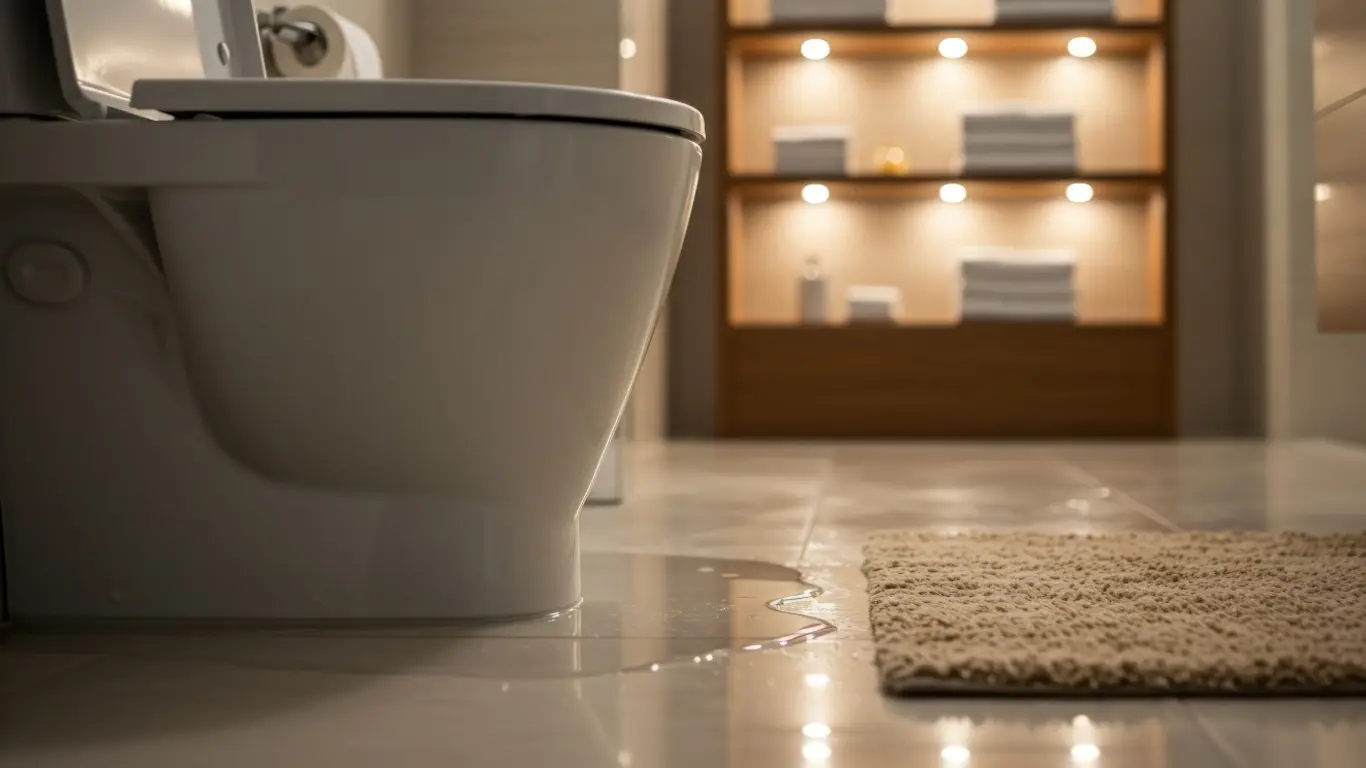
An unclean bathroom or visible drainage fault lowers hygiene ratings in hotel inspections. Health authorities count these findings heavily. If reviews mention odours or water on the floor, your star rating and ability to accept guests may decrease. Staying vigilant keeps scores and earnings high.
Yes. Water pooling from blockages attracts rodents and insects. They follow leaks from pipes or overflow, settling near kitchens and stores. Maintaining drains cleanly removes their water source, making hotels less attractive to pests.
Ideally, hire drainage professionals every six months. Busy hotels, or hotels with older systems, may need more frequent visits. Kitchen drains need extra attention, especially after busy periods or holidays. Proactive checks help avoid blockages.
Policies vary. Damage from sudden, unexpected events is typically covered, while slow buildups or neglect are not. Insurers require proof of regular maintenance and rapid response to issues. Know your policy and keep good records.
Bio-treatment uses natural bacteria to safely clean pipes and break down organic blockages. It is low-impact and fits into effective drainage systems, improving sustainability. This approach means fewer harsh chemicals, protects your existing infrastructure, and supports proper waste disposal.

