
Grease Trap Maintenance: Everything Restaurant Managers Need to Know
Restaurant managers tend to notice drainage problems at the worst possible moment. Lunch rush. Full sink. Someone calling from the pass. Then a smell starts sitting near wash-up, and suddenly a hidden maintenance task becomes everyone’s problem. Grease trap maintenance belongs in that unseen layer of restaurant control. Not glamorous. Never praised. Still vital.
It keeps water moving, protects hygiene, and stops kitchen residue from hardening inside pipes where it can trigger expensive disruption. A well-managed trap supports service quietly. A neglected one announces itself, usually with smell, slow drainage, pests, or a callout nobody budgeted for.

What is a Grease Trap?
A grease trap is a plumbing device fitted to intercept fat, oils and grease before wastewater reaches the sewer. It slows the flow, so lighter residue rises to the surface, heavier food particles settle at the base, and cleaner water continues through the outlet. That pause matters.
Without it, greasy waste cools, thickens, and starts clinging to pipe walls. Then comes the clog. Then pressure. Then a possible backup during service. A grease trap is essential because it protects the plumbing system, the sewer system, and the restaurant’s ability to keep working without avoidable drainage trouble.
Typical Locations of Grease Traps
The place where a grease trap is located depends on the kitchen layout, the volume of wastewater, and the available access for cleaning. Smaller indoor units are often positioned close to sinks, pre-rinse stations, or a dishwasher, because that is where greasy water first leaves the kitchen. Larger outdoor units usually sit below ground near the kitchen or waste area, often beneath a metal or manhole cover. The main types of grease traps differ in size and capacity, but the principle stays the same. Capture grease early. Keep it out of the drains. Make access possible.
Indoor Grease Traps
Indoor grease traps are usually smaller and fitted close to the source of greasy water. Under sinks. Near rinse areas. Sometimes beside equipment used before washing pans and plates. Because they sit inside the kitchen, odour, access, and cleaning discipline matter more. Staff should avoid sending fryer oil, sauces, and heavy residue into the unit. A strainer basket helps catch scraps before they settle. Small trap. Fast consequences when ignored.
Outdoor Grease Traps
Outdoor grease traps are typically larger, with enough capacity for busy restaurants, cafés, hotels, and other commercial food sites. They often receive flow from several fixtures, giving grease more space and retention time before effluent moves onward. Access is usually through a ground-level cover, sometimes labelled for identification. These traps are better for volume, but harder to manage casually. They usually need professional grease trap cleaning, waste removal and controlled inspection to stay reliable.
Why Grease Trap Maintenance Matters?
Grease trap maintenance matters because small drainage issues do not stay small for long. Grease builds quietly. It smells. It restricts flow. It attracts pests. Then it starts affecting service, hygiene, compliance, and staff working conditions. A neglected trap can also push grease from wastewater into drain lines, where removal becomes harder and far more expensive.
Regular maintenance protects the trap’s efficiency and helps ensure optimal performance during busy periods. Not only when the kitchen is quiet. During the pressure moments too. That is when weak systems show themselves.
Prevents Costly Plumbing Emergencies
Grease cools as it moves. Then it sticks. Then it narrows the pipe until water has nowhere to go. That is when a small maintenance gap becomes an urgent callout. Regular cleaning helps remove grease build-up before it reaches drain lines or blocks the outlet. It also reduces the chance of overflow during peak trading. Less panic. Fewer shutdowns. Better control over repairs that should not have been necessary.
Controls Foul Odours
Old grease, trapped scraps, and stagnant water produce unpleasant odours that can move from the wash-up area into the kitchen or dining space. Sour. Heavy. Difficult to hide. When staff notice the smell, the trap is already sending a warning. Cleaning removes decomposing material instead of masking it. Approved odour controls may help between visits, but they do not replace physical removal. Smell is not just discomfort. It often points to hygiene risk.
Safeguards Health, Safety, and Hygiene
A full or poorly maintained trap can turn into a hygiene problem quickly. Organic residue decomposes, pests gather, and overflow can leave slippery, contaminated surfaces near working areas. That matters in kitchens where people move fast around hot pans, wet floors, and prepared food. Grease removal protects staff safety as much as drainage. It also supports inspection readiness, because poor waste control is rarely treated as a minor issue by anyone responsible for hygiene.
Protects the Environment
When grease escapes beyond the trap, it can enter shared drainage and contribute to blockages outside the restaurant. That can affect neighbouring businesses, public infrastructure, and local waterways if overflow occurs. Proper waste disposal keeps captured fats and oils inside a controlled process, not moving through public drains. The aim is basic but important: collect the waste, handle it safely, and stop kitchen residue becoming an environmental problem further down the network.
Ensures Regulatory Compliance
Restaurants are expected to control grease, wastewater, and food waste responsibly. An inspector, landlord, or water authority may ask for proof that the trap is maintained and emptied at suitable intervals. Records matter. So do contractor notes, waste transfer documents, and evidence that the unit is working properly. A planned grease trap service gives managers something solid to show. Not excuses. Dates, actions, and proof that the site is being managed properly.
How Often Should a Restaurant Grease Trap Be Cleaned?
Factors That Affect Cleaning Frequency
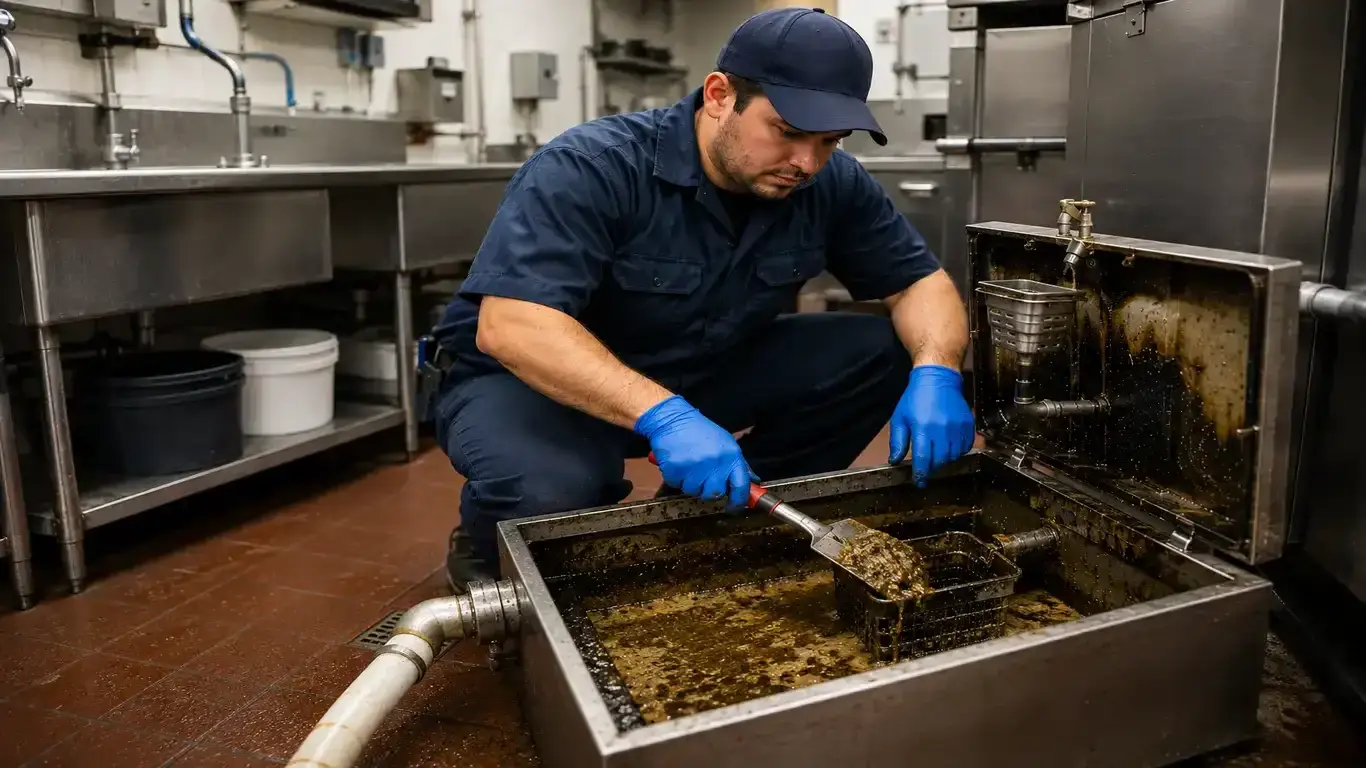
Cleaning frequency depends on kitchen volume, menu style, staff habits, trap capacity, and whether the unit is the appropriate size for the job. A small café with light food preparation may produce less grease than a busy fried-food operation. Obvious enough. Still often ignored. Heavy washing, poor scraping, and careless sink use can fill a unit quickly, even when the right grease trap was installed originally. The safest schedule comes from real inspection, not guesswork or old habits left over from another site.- Kitchen volume – Busy kitchens produce more wastewater, so grease and solids collect faster, especially during long trading periods or weekend peaks.
- Amount of frying – Frequent frying creates more cooking oil residue, which can thicken quickly and shorten the safe cleaning interval.
- Menu type – Menus with sauces, roasted meats, dairy, fried foods, and rich dressings usually send heavier grease loads into drainage.
- Trap size – A small trap fills quickly, while the right grease trap gives waste more room to separate effectively.
- Staff habits – Scraping plates before rinsing, controlling sink disposal, and avoiding careless washing can reduce strain on the trap.
- Use of strainers – Strainers catch food scraps early, improving filtration and limiting how much solid material settles inside the chamber.
- Existing odour or blockage problems – Odours, slow drains, and recurring blockages suggest the trap may already need to be cleaned more often.
- Municipal or landlord requirements – Some premises must follow fixed schedules, approved contractors, or written reporting rules as part of occupancy conditions.
Common Signs Your Grease Trap Needs Cleaning
A grease trap usually gives warnings before it creates a serious incident. Slow drainage, sour smells, grease overflow, gurgling pipes, and pests near the kitchen are all signs that waste is building up inside the unit. Managers should not treat these as minor annoyances. They are early evidence that separation is no longer working as it should. Once grease escapes beyond the trap, the problem becomes harder to reach. That is why restaurants should clean your grease trap before warning signs become a disruption.
Slow or Backed-Up Drains
Slow drains often mean the trap is full, the outlet is restricted, or grease has already moved into nearby pipework. Water may sit in sinks, rise through floor drains, or drain unevenly after wash-up. It starts quietly. Then it becomes obvious. A serious backup can stop kitchen routines and create hygiene concerns fast. If the line is affected, high pressure jetting may be needed to clear the obstruction properly.
Grease Overflow
Grease overflow is a clear sign that the unit has lost usable capacity. You may see hardened grease around the lid, near the interceptor chamber, or close to the access point. That means the trap is no longer holding waste safely inside the separation area. Overflow creates odour, slip, pest, and contamination risks. It should be handled quickly, with waste removed and the cause checked before normal flow continues.
Increased Pest Activity
Pests are drawn to decomposing organic waste, moisture, and grease residue. Fruit flies, cockroaches, rodents, and insects may gather near drains, covers, waste areas, or damp corners when the trap is overdue. That does not happen by accident. It usually means food residue is sitting too long or access points are not controlled. Cleaning the trap helps, but managers should also review bin routines, floor cleaning, seals, and how staff handle proper waste during service.
Persistent Foul Odors
Persistent foul odors usually come from old grease, rotting scraps, and gases trapped inside dirty chambers or pipework. The smell may be strongest near sinks, floor drains, or the trap lid after hot water passes through. It can drift. Customers may never see the source, but they may sense the problem. That is enough. If normal surface cleaning does not fix the smell, the trap and connected pipework need inspection before the issue becomes harder to control.
Unusual Gurgling Sounds
Gurgling sounds suggest air is struggling to move through the drainage route because water flow is restricted. It may happen when sinks empty, when equipment drains, or after busy wash-up periods. The noise can be easy to dismiss. It should not be. Air pockets often appear when grease, sludge, or solids are narrowing the route. The trap may be overloaded, or there may be a developing blockage further downstream.
Grease Visible in Drains or Around the Kitchen
Visible grease around drains, sink outlets, floor channels, or nearby surfaces usually means waste control is breaking down. Grease should stay inside the trap, not appear around kitchen drainage points. If staff can see oily residue after washing, the unit may be full, incorrectly maintained, or receiving more waste than it can manage. This is also a sign to review scraping habits, sink use, and whether the trap is the correct size.
Frequent Plumbing Callouts
Frequent plumbing callouts usually mean the symptom is being cleared while the cause remains. A contractor may open the pipe, restore flow, and leave. Then the same issue returns because the trap is still overloaded, too small, or poorly maintained. That pattern gets expensive fast. It also disrupts service and weakens confidence inside the kitchen. Repeated callouts should trigger a review of cleaning frequency, trap size, staff routines, and overall drainage condition.

Ways to Clean and Maintain Your Grease Trap
Cleaning grease traps properly is not just lifting off the top layer and walking away. That is the lazy version. And it usually comes back as smell, slow drainage, or a callout. The right method depends on the unit. Size. Location. How much fog is sitting inside.
Small under-sink traps can often be handled with buckets, absorbent material, scrapers, and careful removal of grey water and sludge. Larger traps need vacuum extraction. Pressure washing. Refill checks. Flow testing. Miss those steps and residue can move into the sewer line. Then the job changes. Bigger mess. Costly repairs.
Manual Scooping and Scraping
Manual scooping and scraping is the hands-on version. Open the trap. Let the smell hit, unfortunately. Then start with the thick grease sitting on top. Scoop it out carefully and keep it contained. After that, the sludge at the bottom needs attention, along with the hardened residue stuck to the sides, corners, and baffles. It works well enough for smaller indoor units, but only when done properly. Gloves on. Goggles too. No rushing. Nothing tipped back into the sink or drain. That just moves the mess along. Done with care, it is useful. Done badly, it becomes tomorrow’s blockage.
Vacuuming & Pressure Washing
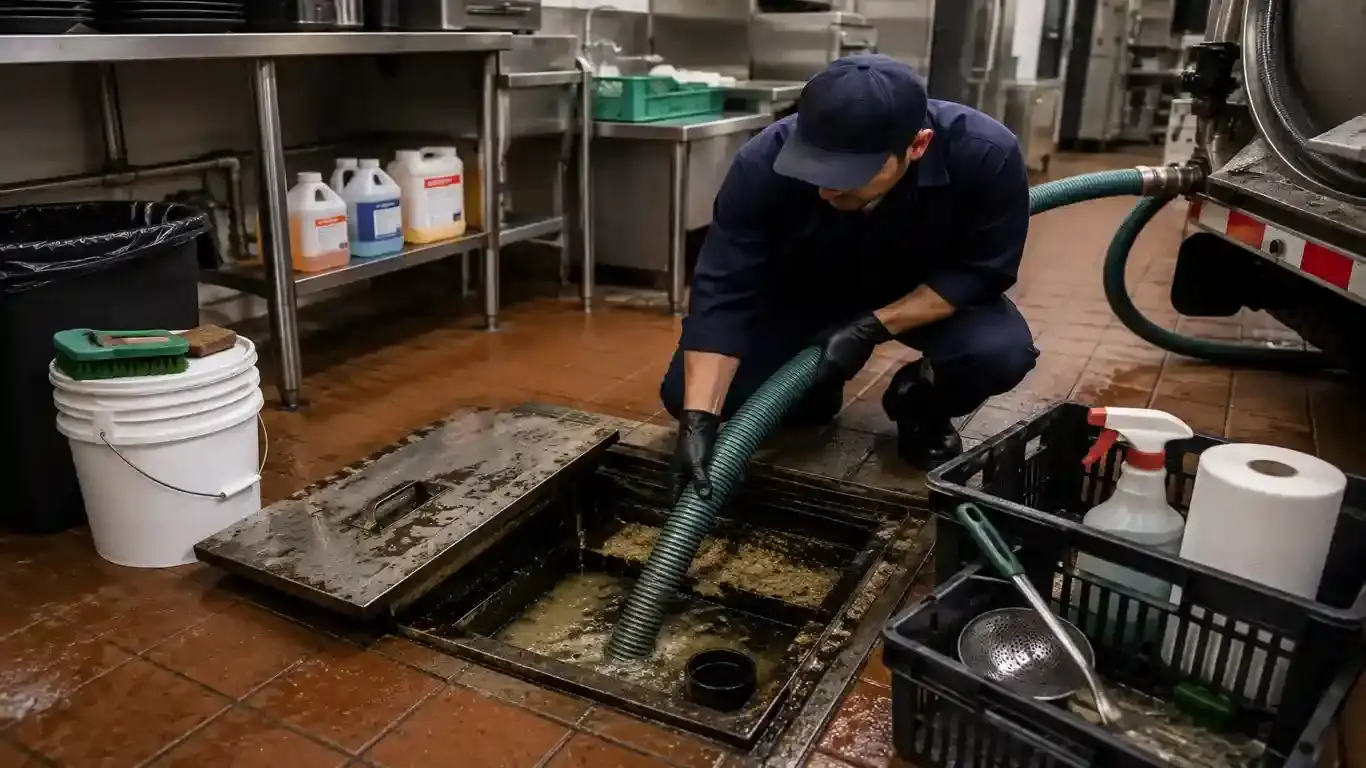
Vacuuming is commonly used for larger traps because it removes liquid waste, settled solids, and grease more efficiently than hand tools. Pressure washing may then clean internal walls, baffles, and hard-to-reach areas. Used correctly, high pressure cleaning restores flow without pushing waste into the wrong places. It is often handled by a specialist cleaning service, particularly where the site requires safe transport, documentation, and proper waste disposal afterwards.
Bacterial /Dosing Cleaners
Bacterial and dosing cleaners can support daily maintenance by helping break down residue between scheduled cleanings. Grease trap dosing may reduce smell and slow build-up when used correctly. They may reduce smell and slow build-up when used correctly. But they are not a replacement for physical waste removal. The trap still fills. Solids still settle. Grease still needs to be taken away. Use approved products only, follow dosage guidance, and avoid anything that simply pushes grease further into the drainage network.
Best Practices for Grease Trap Maintenance
Good grease trap maintenance is mostly about habits. Scrape pans before washing. Keep strainers in place. Never flush grease, sauces, or heavy residue down sinks. Use approved products. Keep records. Arrange professional support before problems become urgent. These small actions protect the unit between scheduled visits and reduce unnecessary load on the system. They also make it easier to prove compliance if a landlord, authority, or internal audit asks how waste is being managed.
Install Strainers
Strainers stop scraps, rice, vegetable matter, and loose food particles from entering the trap. Basic tool. Real effect. Less solid material means less sludge, fewer odours, and easier cleaning when the unit is opened. Strainers should be placed where they capture waste without slowing normal work, then emptied often into the correct bin. If staff remove them because they are inconvenient, the trap pays for it later. So does the plumbing.
Train Your Team
Staff need to know exactly what can and cannot enter the sink. Not a poster nobody reads. Actual working practice. Scrape plates. Wipe pans. Keep oils out of drains. Empty strainers. Report smells early. Training should connect these habits to real consequences: blocked sinks, pests, shutdowns, and cleaning bills. When staff understand the reason, compliance improves. When they only hear rules, shortcuts creep back in during busy service.
Use Approved Cleaners
Approved cleaners can support trap care, but harsh products may damage pipework, disturb useful biological activity, or simply move grease further along the system. That is not cleaning. That is relocation. Use products suited to commercial kitchen drainage and follow the instructions carefully. Natural bacterial dosing can help with residue and odour control, but it should sit alongside regular cleaning, not replace it. The trap still needs physical waste removal.
Keep Maintenance Logs
Maintenance logs help managers see what is happening over time. Dates, service notes, odour reports, waste volumes, contractor details, repairs. Not exciting reading. Very useful when problems repeat or when someone asks for proof. Logs also show whether the schedule matches real kitchen use. If weekend shifts regularly lead to smells on Monday, the pattern is there. Without records, every decision becomes memory and guesswork. That is weak management.
Partner with a Certified Transporter
A certified transportercan pump, transport, and dispose of grease trap waste in line with local requirements. That matters because trap contents are not ordinary rubbish. They are controlled waste and must leave through the right waste management route. Larger units especially need professional handling. A certified partner also provides records, reduces mess, and helps identify damage or access problems. It is not the same as septic tank cleaning, although some contractors offer both services.
Essential Grease Trap Cleaning Tools and Supplies
Maintaining commercial grease traps requires the right tools, protective gear, and safe materials. A rushed job with poor equipment exposes staff to bacteria, sharp scraps, splashes, and strong odours. The basic kit may include gloves, goggles, masks, coveralls, scoopers, scrapers, scrubbers, wet/dry vacuum equipment, and sealed containers. Larger jobs need pumps or specialist vehicles. Tools matter because the work is dirty, but also because poor handling can damage baffles, seals, and pipe connections. Good equipment keeps the task safer and the trap in top condition.
Personal Protective Equipment (PPE)
Personal protective equipment protects staff from contaminated water, grease, bacteria, chemical splashes, and unpleasant gases released when a trap is opened. Gloves protect hands from residue and sharp scraps. Goggles protect eyes. Masks help with strong odours. Coveralls stop sludge reaching uniforms and skin. It may feel excessive for a small indoor unit. It is not. One splash can be enough to make the point. PPE should be available, used correctly, and replaced when damaged.
- Rubber Gloves: Heavy-duty gloves protect hands from grease, bacteria, sharp scraps, and harsh cleaning residue.
- Safety Goggles: Goggles protect eyes from splashes when lids open or waste is disturbed suddenly.
- Nose Plugs or Face Mask: Masks reduce exposure to strong odours, droplets, and unpleasant gases during trap cleaning.
- Protective Coveralls: Coveralls keep sludge, grease, and contaminated water away from clothing and exposed skin.
Manual Cleaning Tools
Manual cleaning tools are there for the awkward bits of the job. Getting the lid open. Lifting out grease. Scraping the stuff that has decided to stick around. Nothing fancy, really. A crowbar or wrench helps with heavy covers, especially when they have not been opened for a while. A ladle or scooper moves waste into a collection container without making a bigger mess. Scrapers and scrubbers deal with the walls, corners, and baffles inside the separator. A wet/dry vacuum can help with loose solids and liquid waste too. Clean the tools afterwards. Store them away from kitchen equipment. Otherwise, small mistakes can turn into plumbing issues later.
- Crowbar or Wrench: Used to open heavy covers safely without damaging lids, seals, or access frames.
- Ladle or Scooper: Helps lift floating grease and sludge into a sealed container for removal.
- Scraper: Removes hardened residue from walls, baffles, corners, and other internal surfaces.
- Steel Pot Scrubber: Useful for stubborn deposits that remain after scraping accessible surfaces inside the unit.
- Shop Vacuum (Wet/Dry): Removes liquids and loose solids when hand scooping is too slow or messy.
Additives & Maintenance Supplies
Additives and supplies can help manage odour, residue, and light build-up between scheduled cleans. Bacteria may digest some organic material gradually. Degreasers can help during deeper cleaning, but only if approved for the system. Odour pouches or blocks may improve problem areas, yet they should never hide the need for cleaning. The safest approach is balanced: use suitable products, avoid harsh shortcuts, and keep physical waste removal at the centre of the maintenance plan.
- Bacteria: These products help digest organic residue slowly and support odour control between visits.
- Heavy-Duty Degreasers: Strong degreasers remove stubborn residue, but only approved products should enter drainage areas.
- Odour Control Pouches/Blocks: These products reduce smells around traps, drains, or waste areas between scheduled cleans.
Replacement Parts & Upgrades
A trap can be clean and still perform badly if gaskets fail, seals leak, couplings loosen, or baffles are damaged. Replacement parts help restore function and prevent smells, leaks, and pest access. Upgrades may be needed if the kitchen has expanded, changed its menu, or increased flow. In some cases, automatic grease recovery equipment may help reduce manual work. The key question is practical: can the current unit still handle the load placed on it every day?
- Replacement Gaskets: New gaskets help seal covers properly, reducing odours, leaks, and pest entry points.
- Flexible Couplings: Flexible couplings help secure pipe connections where movement, repairs, or alignment issues exist.
Keeping Your Restaurant Grease Trap Clean and Compliant
Keeping a restaurant grease trap clean is not one task. It is a system of small controls repeated consistently. The unit must be checked, cleaned, recorded, and reviewed against the actual kitchen workload. If odours keep returning, something is wrong.
If drains keep slowing, something is wrong. If contractors keep coming back, something is still being missed. The answer may be more frequent service, better staff habits, a larger unit, or improved waste handling. Steady control wins here. Not panic. Not shortcuts. Just practical routines that keep the kitchen safe, compliant, and open.
FAQs
How long does grease trap cleaning take?
Grease trap cleaning can take 30 minutes for a small indoor unit or several hours for a large outdoor interceptor. Access, waste volume, condition, and whether pipework needs attention all affect timing. If the unit is overloaded or difficult to open, the visit takes longer. Planning reduces disruption.
Can bacteria cleaners replace grease trap cleaning?
No. Bacteria cleaners can support maintenance, reduce odour, and slow some residue build-up, but they cannot replace physical cleaning. Grease, sludge, and solids still collect inside the trap. They need removal. Used correctly, dosing products help between visits. Used alone, they create false confidence.
Who is responsible for grease trap maintenance in a restaurant?
Responsibility usually sits with the restaurant operator, although lease terms, landlord rules, and local authority requirements may affect duties. Managers should confirm who arranges cleaning, keeps records, and pays for repairs. In practice, the business using the kitchen must make sure the trap is maintained and compliant.

- Preparing Hotels and Guest Houses for the Holiday Season - October 20, 2026
- The Importance of Effective Waste Management in Retirement Homes and Villages - September 24, 2026
- How Municipalities Can Extend the Life of Existing Wastewater Infrastructure - September 15, 2026
