
Effective Organic Waste Management Strategies for Commercial Kitchens
Commercial kitchens work with perishable ingredients. Food is discarded before anyone recognises the pattern. Effective organic waste management strategies make losses visible, protecting margins without slowing service. Careful source separation keeps recoverable food matter clean. Secure storage controls odours. Timely removal discourages pests and protects hygiene.
These sustainable organic waste management practices also show where purchasing needs attention and where preparation can improve. The result is a lower environmental impact. Sustainable practices become stronger, while natural resources are used more responsibly.
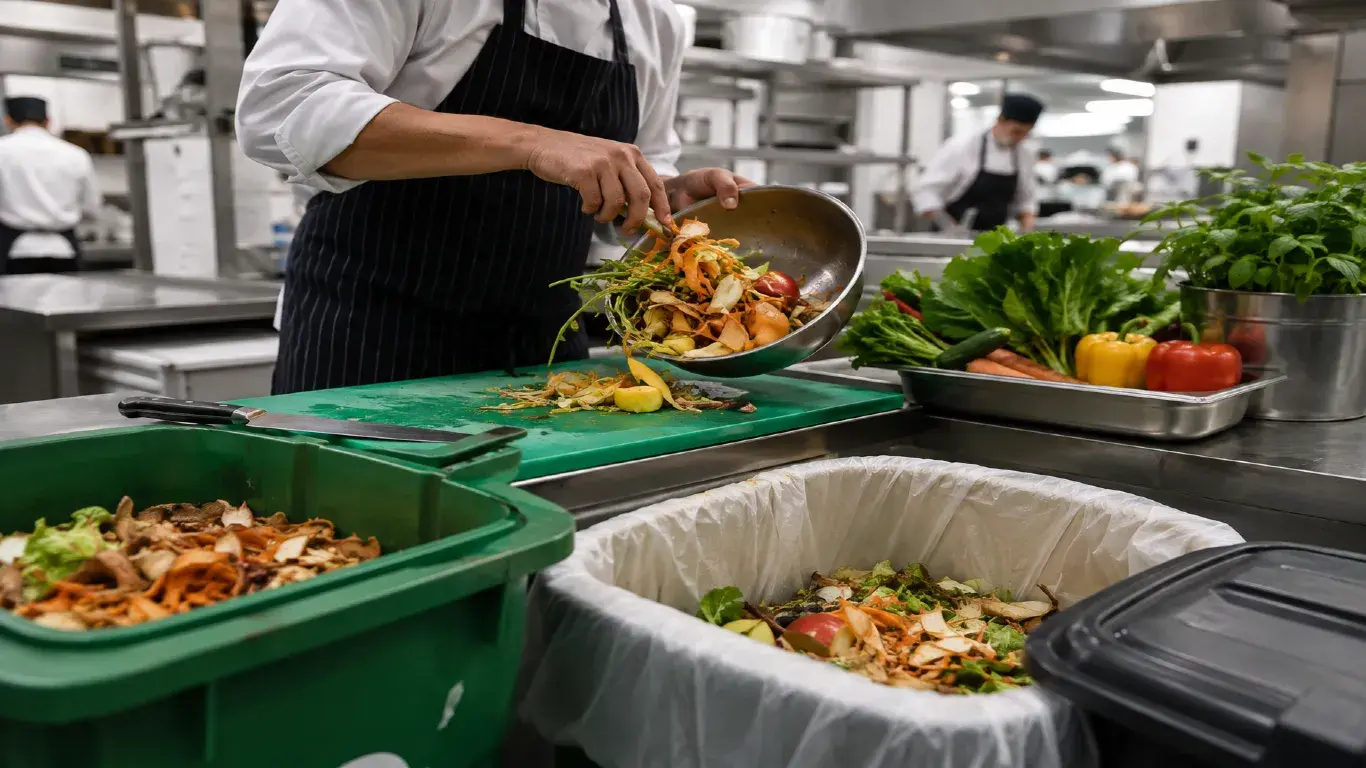
What Is Organic Waste in a Commercial Kitchen?
In a commercial kitchen, this covers biodegradable material produced as food moves through the operation. Some arises during storage. More appears through preparation or cooking, while service creates leftovers. The stream may contain peelings and spoiled ingredients. It also includes cooked remnants. Plate returns leave a further residue. Unlike packaging or glass, this organic matter decomposes and needs control.
Effective management of organic waste begins with waste separation. Clean material can enter a composting process or enclosed biological recovery. Either route can convert food remnants into biogas or fertilizer, limiting methane and greenhouse gas emissions from controlled landfill disposal sites.
Common Types of Commercial Kitchen Organic Waste
Kitchen discards differ in moisture, density and speed of decomposition. Knowing those differences helps staff sort waste materials correctly, choose treatment methods and essentially run proper organic waste management strategies. Some food remnants suit aerobic composting; others require specialist collection followed by treatment. They also behave differently from yard waste or wood waste, which may follow separate routes.
Accurate records show where losses begin. That evidence clarifies whether prevention, reuse or recovery is realistic and supports clean waste recycling across a busy food-service operation every working day. Most common types are:
- Fruit and vegetable peelings
- Spoiled or expired ingredients
- Preparation offcuts
- Uneaten prepared food
- Plate waste
- Coffee grounds and tea bags
- Meat, fish and dairy waste
- Bakery and starch waste
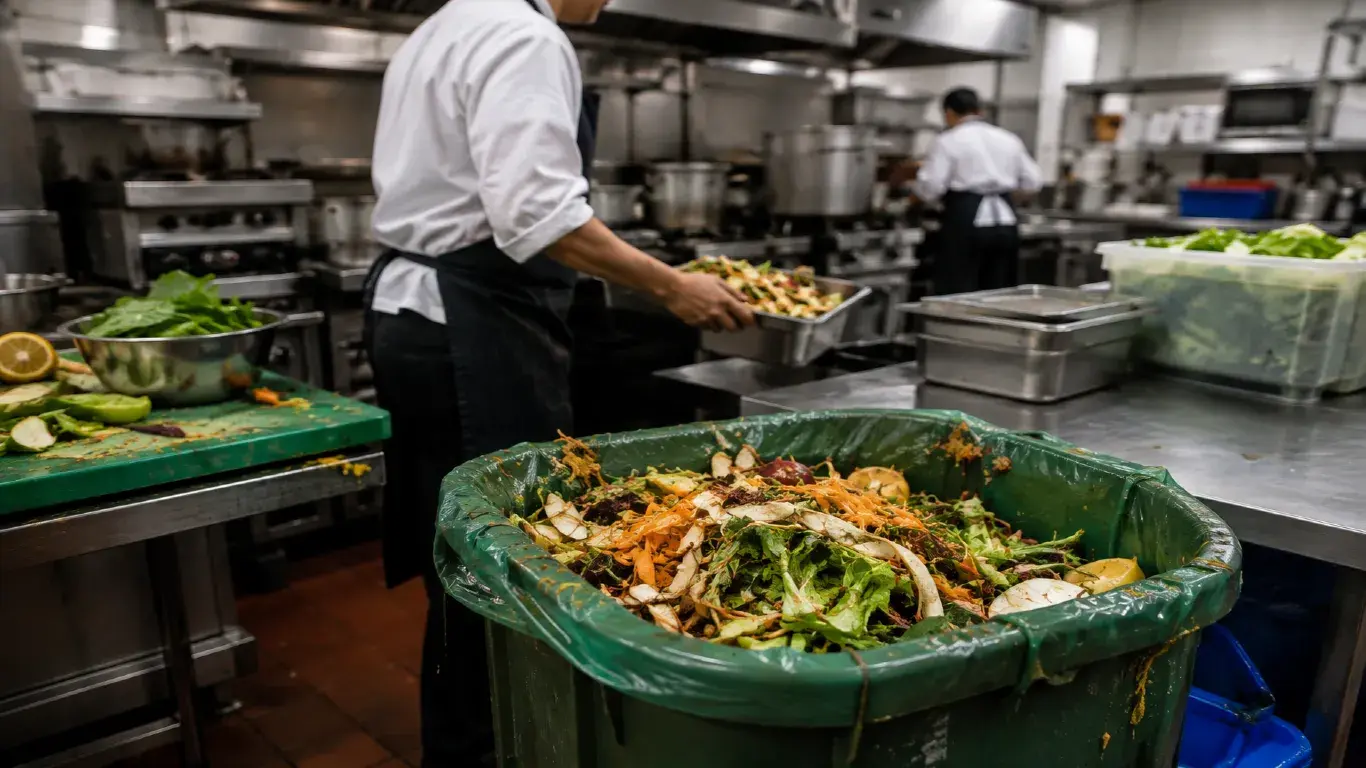
Why Commercial Kitchens Need Better Organic Waste Management
Food remnants are heavy and wet, making them expensive to move. The consequences extend further. Weak controls consume staff time and crowd storage areas; decomposing material also undermines hygiene. Local rules may require commercial kitchens to separate recoverable streams and document their recovery route. Better controls connect prevention with secure handling, then direct unavoidable material towards suitable recovery.
This supports operational efficiency and regulatory compliance. It can lower costs too. Importantly, a structured system and the right organic waste management strategies reduce disruption without complicating service, while strengthening the environmental gains achieved through clean separation and responsible treatment across the premises without slowing service during busy periods.
Operational Efficiency
Traditional bin routines can involve heavy lifting, repeated journeys and time-consuming sorting after materials have already been mixed. Placing containers where losses arise makes handling quicker and reduces unnecessary movement. For higher volumes, equipment may pump, dewater or process remnants before collection. The right system must fit the workflow, rather than creating another task during service. These improvements free staff to concentrate on food preparation. Consistent procedures also keep back-of-house areas safer, clearer and easier to supervise throughout every shift.
Significant Cost Savings
Heavy food remnants can account for a large share of collection charges. Prevention lowers purchasing losses first; separation can then reduce the weight entering general bins. Where volumes justify investment, on-site treatment or dedicated collections may cut hauling frequency and landfilling fees. Financial review should include labour, container cleaning and storage, not only the contractor’s invoice. This wider view reveals the economic benefits of prevention and helps managers select changes with a credible return rather than relying on environmental claims.
Regulatory Compliance
Local authorities increasingly set rules for commercial food segregation, storage and recovery. Requirements vary. Kitchens should therefore confirm which materials need separation and how containers must be maintained. Required records also matter. Documented procedures demonstrate control and make inspections easier, while preventing contamination charges or penalties. An authorised contractor provides traceability from collection to final treatment. This helps the business meet local expectations and retain clear evidence that every collection arrangement remains lawful, suitable and consistently followed across the site.
Improved Hygiene
Decomposing food attracts insects and rodents, releases unpleasant odours and can leak onto floors. Prompt removal from workstations, sealed storage and frequent cleaning interrupt those risks. Appropriate collection intervals matter during warm weather, when decomposition accelerates. Enclosed treatment may reduce the volume held on site, but equipment still needs cleaning and maintenance. Strong routines protect employees and customers, lower environmental pollution and health risks, and keep preparation areas separated from each contaminated stream until it leaves the premises for collection.
Identifying the Main Causes of Organic Waste
Reduction begins by locating where losses arise and why they recur. Records should connect quantities with purchasing, storage, preparation, production and customer returns. This creates a practical baseline for improvement across the operation without confusing avoidable losses with inedible material.
Managers can then prioritise high-cost patterns and test one change at a time. A measured waste minimization programme also makes responsibility clearer, because teams can see whether new procedures reduce the amount discarded or simply move it to another station.
- Poor stock rotation – Older ingredients remain unused when deliveries are placed in front or labels cannot be read. Products then expire unnoticed. A rotation check protects stock value, reduces avoidable losses and keeps purchasing decisions connected to what is already available on site.
- Overproduction of meals – Preparing more portions than demand requires ties up ingredients and staff time before creating unnecessary losses. Reviewing bookings and sales helps chefs adjust batch quantities, replenish intelligently and prevent surplus food becoming a routine consequence of cautious production planning decisions.
- Incorrect food storage – Wrong temperatures, damaged packaging or unsuitable containers shorten usable life. Crowded shelves can hide ingredients until they deteriorate. Clear storage standards, temperature records and organised locations protect food quality while reducing spoilage linked to preventable handling failures across every shift.
- Excessive preparation waste – Inconsistent trimming and poor knife technique can remove edible material with unavoidable scraps. Standard guidance and training help employees prepare ingredients accurately. Measuring by station shows where a change in skill, specification or equipment could produce a worthwhile improvement quickly.
- Customer plate waste – Repeated unfinished meals may indicate portions that are too large or dishes that do not meet expectations. Recording returns by menu item gives chefs evidence. They can revise serving sizes or recipes while protecting customer value and satisfaction during service.
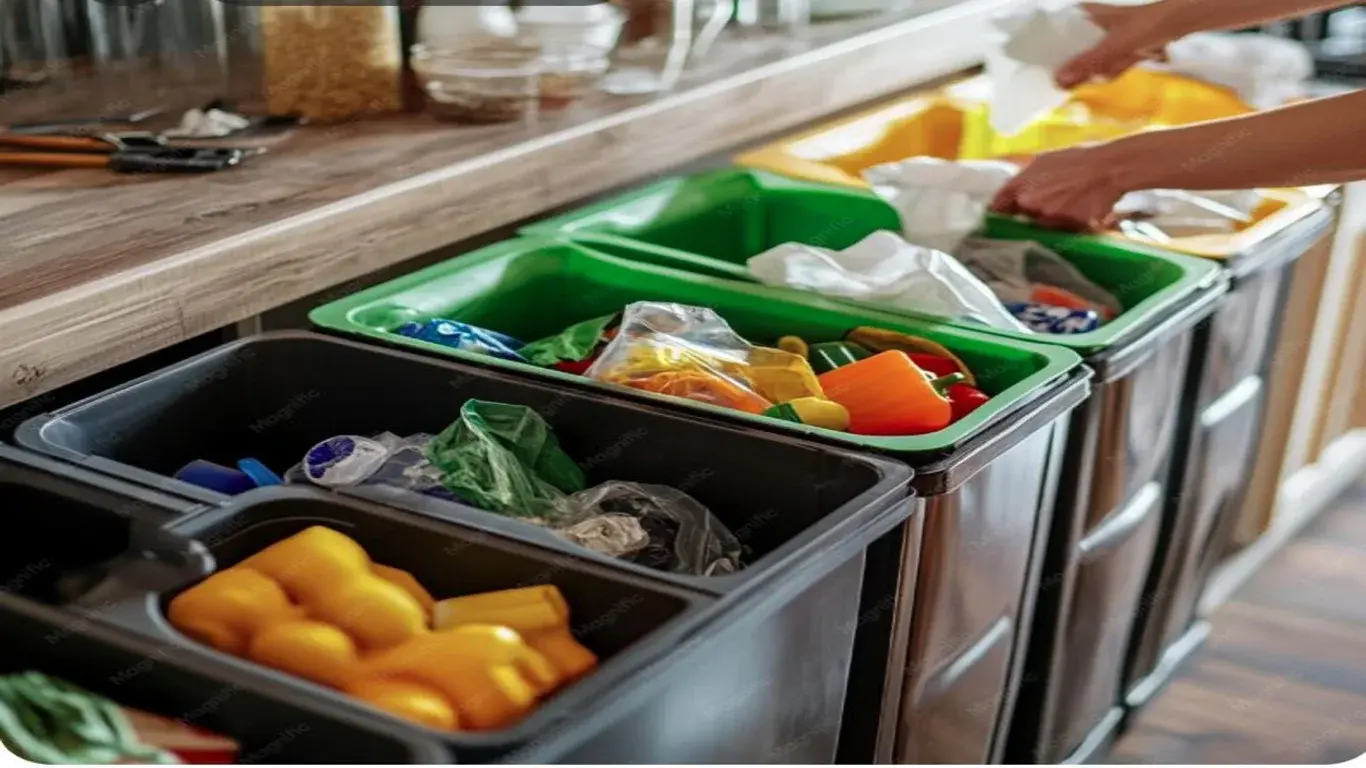
10 Effective Organic Waste Management Strategies for Commercial Kitchens
Effective reduction needs connected action, not an isolated bin change. The ten steps below begin with measurement, because kitchens must understand what is being discarded before selecting solutions. The focus then moves upstream. Better purchasing limits surplus. Strong stock control prevents spoilage, while standard preparation and portion decisions protect ingredients already bought.
The final steps improve source separation, storage and collection before giving employees clear ownership. Together, these measures form a repeatable operational system. They prevent avoidable loss first, then recover unavoidable material through services matched to the type and volume produced at each site.
1. Conduct a Commercial Kitchen Waste Audit
Review discarded food over a representative period covering quiet and busy services. Record its type and measured quantity. Identify the source station, then note the likely cause and whether each item was avoidable. This baseline shows where prevention will deliver the greatest value. It also distinguishes commercial patterns from household waste or green waste studies. Research into waste in developing countries may reflect different infrastructure. Repeat the audit after changes to confirm whether improvements last beyond the initial monitoring period.
2. Track Preparation Waste and Plate Waste Separately
Do not place all food remnants into a single measurement category. Losses before service reflect kitchen processes, so unusually high quantities may reveal poor trimming, recipe inconsistency or spoilage. Customer returns tell a different story. They may expose oversized portions, weak menu descriptions or dishes people dislike. Separate preparation and plate figures clarify each signal and support targeted operational action. One combined figure may still fall, yet never show where performance improved or why the underlying change occurred over time.
3. Improve Demand Forecasting and Purchasing
Use confirmed bookings and historical sales to estimate demand, then adjust for seasonality, local events and menu popularity. Purchasing should respond to that forecast while accounting for current stock and supplier lead times. This avoids ordering quantities the kitchen cannot use safely. Forecasts will never be perfect, so review performance after each period and update assumptions. A disciplined process lowers waste generation, supports sustainable development goals and reduces the burden connected with producing and transporting ingredients that become unused surplus.
4. Use First-In, First-Out Stock Rotation
First-in, first-out means using older suitable stock before newer deliveries. Place incoming items behind existing products and apply clear, visible date labels. Organise storage so employees can see what must be used soon, rather than discovering it after expiry. Daily checks should identify short-dated ingredients, while regular deeper reviews catch overlooked stock. This system reduces spoilage and unnecessary purchasing. It can integrate with menu planning, allowing chefs to use safe ingredients promptly without compromising traceability, quality standards or food-safety controls.
5. Standardise Recipes and Preparation Procedures
Standard recipes define ingredient quantities, preparation yields and final serving sizes. Combined with portion tools and clear trimming guidance, they reduce variation between employees and shifts. Teams should understand the expected usable yield, then record unusual losses instead of compensating with extra stock. Observation can reveal where equipment or technique needs improvement. Consistency supports prevention and protects daily food cost, while leaving chefs room to respond appropriately when ingredient size or quality differs from the specification used during recipe development.
6. Review Portion Sizes and Menu Performance
Analyse plate-waste records by dish, portion and service period. Frequent leftovers may show that a serving is larger than customers value, while one repeatedly abandoned component may need revision. Compare this evidence with sales, feedback and complaints before changing the menu. Smaller portions should still feel fair and match the stated offer. Adjustments reduce the impact of food waste without weakening satisfaction. They can also improve consistency, control ingredient use and reveal dishes whose low popularity makes continued production inefficient.
7. Separate Organic Waste at the Point of Disposal
Position clearly labelled containers at preparation stations, wash-up areas and service-return points, where each stream is produced. Employees separate materials correctly when the right container is within reach. Labels should use simple words or images that match the contractor’s acceptance rules. Plastic packaging, cutlery and cleaning chemicals can contaminate food remnants, making recovery difficult or impossible. Point-of-use control therefore protects the organic fraction of municipal solid waste and directs it towards suitable treatment instead of general refuse during every shift. This is a must for a proper waste disposal.
8. Store Food Waste in Secure, Washable Containers
Choose leak-resistant containers with tight-fitting lids and washable surfaces inside and out. Mark every stream clearly, then place units away from ingredients and preparation zones. The storage position should remain accessible for safe movement without obstructing fire routes or cleaning. Create a washing and inspection schedule, including lids and contact points. These controls limit odours, pests and leakage while protecting hygiene. They also support downstream processing by keeping material contained and free from contaminants before the scheduled collection takes place.
9. Arrange Collection According to Waste Volumes
Set collection frequency according to actual quantity, material type and the speed of decomposition. Available storage space and temperature also matter, particularly for wet animal-derived remnants. A schedule that works in winter may be inadequate during warmer months or peak trading. Review missed capacity and odour incidents, then adjust service levels with the contractor. Reliable collection and treatment protect hygiene while avoiding unnecessary vehicle visits. They allow anaerobic digestion or other approved routes to receive material in a suitable condition.
10. Train Employees and Assign Responsibility
Explain each procedure during induction and reinforce it with practical demonstrations at the relevant station. Employees need to know what belongs in every container, how measurements are recorded and whom to tell when contamination occurs. Assign one accountable person per shift to check compliance and resolve problems. Clear ownership stops the programme becoming an optional sustainability activity. Refresher training and visible results maintain attention. Staff suggestions can uncover operational improvements that environmental management reviews might otherwise miss in kitchen work.
Choosing the Right Organic Waste Management Solution
The right solution depends on the material produced, its volume and how quickly it decomposes. Storage capacity matters. Vehicle access and contamination matter. So do local acceptance rules. Service availability can differ between urban and rural locations; many rural areas have fewer collection options. On-site systems suit operations, while off-site recovery works better elsewhere.
Compare routes for converting organic materials into outputs, including products that support sustainable soil health. The final choice should balance hygiene and compliance with cost, emission reduction and environmental benefits without overstating the benefits of composting for unsuitable commercial streams overall.
How BioCURE Supports Better Commercial Kitchen Waste Management
BioCURE can help commercial kitchens coordinate food-waste collection with organic and liquid-waste services suited to site conditions, while working alongside commercial cleaning services to support better hygiene and odour control. Support may include grease-trap treatment, preventative drain maintenance and odour control, reducing disruption around storage and wash-up areas. Biological treatment solutions can address difficult remnants responsibly. The exact service should follow an assessment of volumes, access, contamination risks and existing infrastructure at each commercial premises before work begins.
FAQs
How often should commercial kitchen food waste be collected?
Frequency should reflect the quantity produced, available secure storage, local temperature and how quickly the material decomposes. High-volume kitchens or sites handling meat and dairy may need more frequent service. Collections should prevent overflow, leakage, pests and odour. Review the schedule promptly whenever seasons, menus or trading volumes materially change.
What types of organic waste do commercial kitchens produce?
Typical streams include fruit and vegetable trimmings, spoiled ingredients, preparation offcuts, unused cooked food and customer leftovers. Coffee grounds, tea bags and bakery remnants are also common. Meat, fish and dairy require especially careful handling. Each stream should follow the collector’s acceptance rules to prevent contamination during recovery or treatment.
How can staff help reduce organic waste in commercial kitchens?
Staff can rotate dated stock, follow standard recipes and prepare only quantities supported by demand. They should measure preparation losses separately from customer returns, then report recurring patterns. Correct use of labelled containers prevents contamination. Named shift responsibility, practical training and shared results keep routines consistent when service becomes busy.

- Preparing Hotels and Guest Houses for the Holiday Season - October 20, 2026
- The Importance of Effective Waste Management in Retirement Homes and Villages - September 24, 2026
- How Municipalities Can Extend the Life of Existing Wastewater Infrastructure - September 15, 2026
