
Reduce Sewage Infrastructure Stress with Preventative Wastewater Management
Sewage infrastructure rarely breaks in a single dramatic moment. It strains first. Quietly. A pump runs too long, grease grips a pipe wall, rainwater enters the wrong line, and solids gather where flow should stay clear. Preventative wastewater management deals with those small pressures before they become public problems.
For councils, commercial sites, industrial plants, and large estates, it turns guesswork into planned control. Less panic. Fewer shutdowns. Cleaner discharge. Stronger assets. The real value is not only fixing faults early, but stopping ordinary neglect from becoming expensive, visible, and hard to explain on site.
What is Preventative Wastewater Management?
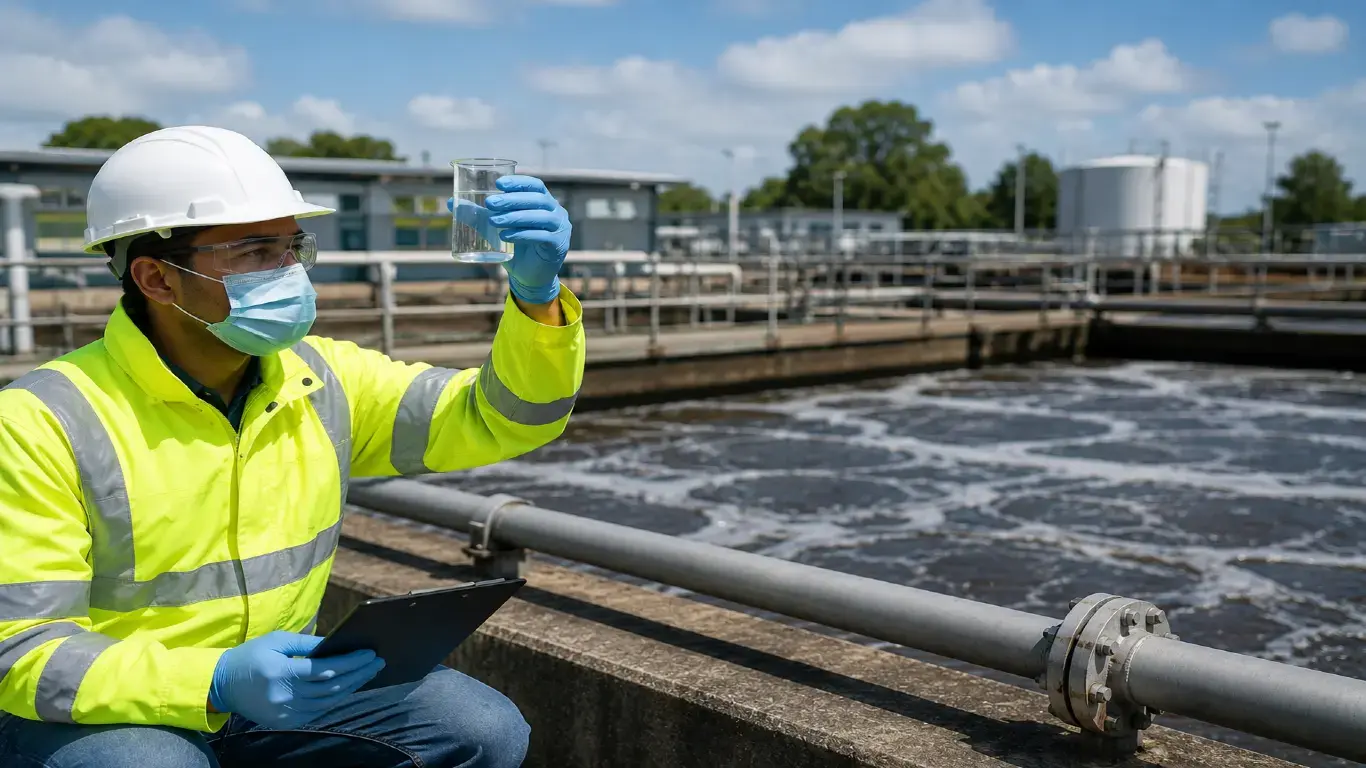
Preventative wastewater management is a proactive approach for keeping sewers, pumps, tanks, drains, and wastewater treatment facilities working before trouble is obvious. Instead of waiting for a smell, blockage, alarm, or system failure, the operator follows a maintenance plan built around inspection, cleaning, calibration, servicing, and records. Simple work. Repeated properly.
A treatment facility may need maintenance tasks, grease removal, sludge monitoring, visual reviews, and sensor testing. This protects equipment, reduces avoidable downtime, and gives site owners earlier control over faults that would otherwise arrive as urgent disruption. Not exciting, but essential for safe operation.
Key Benefits of Preventative Wastewater Management
The strongest benefit is stability. Regular inspections protect vital components from wear and tear, including pumps, screens, valves, sensors, pipework, ventilation systems, and a blower under heavy usage. Planned servicing can minimise power use, reduce downtime, and keep maintenance costs steadier because faults are found before they turn ugly.
It also supports regulatory compliance by keeping wastewater treatment processes consistent and traceable. Cleaner effluent, fewer odours, lower non-compliance risk. Better indicator too. Communities notice when infrastructure fails. They rarely notice when prevention works, which is the point. The saving sits in quiet reliability, not spectacle.
Longer Infrastructure Lifespan and Lower Repair Costs
Longer asset life comes from regular maintenance that catches strain before it cuts deep. Pumps, pipes, chambers, valves, panels, and sensors perform better when routine tasks are completed on time. Small adjustments protect performance and longevity, while ignored defects become costly repairs. It is dull work. Useful work. The difference is often seen years later, when assets keep running instead of demanding replacement. That is real financial value over time.
Reduced Blockages, Overflows, and Pump Station Failures
Blockages start small. FOG, wipes, grit, rags, sludge, and food solids collect until pipes narrow and pumps begin to struggle. Preventive maintenance in wastewater treatment removes that load before it becomes overflow, breakdown, or pump station malfunction. It can reduce emergency repairs, improve mean time between failures, and protect wet wells, rising mains, and sewer lines with limited capacity. This is prevention, not theory, it matters most during peak demand.
Improved Odour Control and Community Satisfaction
Odour control improves when waste keeps moving and chambers are not left to turn stagnant. Dirty tanks, blocked vents, slow drains, and poor air movement create complaints quickly. Planned cleaning reduces that risk. So does checking air movement before smells spread. For residents, staff, customers, and neighbours, fewer odours mean less irritation, fewer callouts, and more trust in the site. It feels minor until everyone starts noticing it outside nearby.
Environmental Protection & Resource Recovery
Environmental protection improves when harmful solids, chemicals, nutrients, and biological loads stay inside controlled systems. Well-maintained sites reduce spill risk, protect watercourses, and lower the chance of contamination of groundwater. Some operations also recover value from biosolids, reusable water, or methane. That matters. Preventative control turns waste handling into part of protecting the environment, not just removing material. It also supports environmental regulations when discharge must stay within safe limits.
Public Health & Compliance
Health depends on sewage staying contained, treated, and predictable. Poor control can expose people to pathogens, pests, polluted water, unsafe access points, and foul air. Preventative work supports health and the environment by reducing overflow risk and keeping treatment results steadier. It also protects compliance with regulations, especially where regulatory standards and regulatory requirements apply to discharge quality. Records matter here. So does disciplined practice and correction when readings change.

Common Mistakes That Increase Sewage Infrastructure Stress
Sewage stress often begins with repeated small mistakes. Fats go into sinks. “Flushable” products enter drains. Stormwater connects to foul sewers. Sludge is left too long. Minor leaks are ignored because the system still works. For a while. Then capacity disappears.
A strong management system makes potential issues visible early, so staff can inspect high-risk points, clean problem areas, and act before wastewater management systems suffer overflow, odour, pollution, or unplanned downtime. Prevention is rarely dramatic. Neglect usually is, especially under pressure. This is where management industry experience becomes infrastructure protection every working day properly.
Stormwater Misconnections
Stormwater misconnections send roof water, yard runoff, sump discharge, or surface drainage into foul sewers. During light use, the fault may stay hidden. During heavy rain, the extra hydraulic load overwhelms pipes, pump stations, and downstream capacity. It can dilute treatment biology, move settled solids, and increase overflow risk. Checks should trace gutters, gullies, and external drains carefully, because one wrong connection can stress a much larger network fast badly and quickly across connected areas.
Neglecting Routine Maintenance
Neglecting routine maintenance is one of the most expensive false economies in wastewater work. Screens blind. Pumps overheat. Sensors drift. Grease traps fill. Access chambers become harder to clean. A proper maintenance schedule turns scattered checks into a repeatable pattern, supported by maintenance strategies that reflect asset age, loading, and risk. The work feels repetitive, almost boring. Good. Repetition is how expensive surprises are avoided before alarms start on site during peak periods or weekends.
Poor Sludge and Waste Management
Poor sludge and waste management quietly removes capacity from the system. Tanks hold less volume. Organic loads rise. Pumps move heavier material. Treatment becomes unstable, and odour follows. Sites need measured removal intervals, safe handling, and o&m records that match real loading, not hopeful assumptions. Overloading design capacity can wash solids forward, disturb biology, and force downstream assets to work far harder. The damage often starts quietly, then arrives suddenly at the worst moment.
Improper Disposal and Flushing Habits
Improper disposal and flushing habits create avoidable strain. Fats, oils, grease, wipes, hygiene products, rags, food scraps, chemicals, and packaging do not disappear once they enter a drain. They catch. Settle. Harden. Staff training, bin access, sink controls, grease management, and clear signage can mitigate the problem before it reaches pumps, pipes, or public sewers. This is behaviour control as much as technical maintenance. Without it, blockages keep returning, usually faster than expected again onsite.
Ignoring Structural Damage, Cracks, and Infiltration
Structural damage can hide while the network still appears to function. Cracked pipes, leaking manholes, root ingress, and groundwater infiltration allow extra water, soil, and debris into the system, while raising the risk of contamination spreading beyond the sewer line. Early CCTV/inspection checks help locate weak points before collapse, surcharge, or pollution occurs. Site owners should review vulnerable sections after flooding, subsidence, repeated blockages, odd odours, or unexplained flow increases. Waiting for visible failure is not caution. It is expensive delay. Small cracks are warnings, not harmless background noise for drainage engineers or owners.
Why Sewage Infrastructure is Under Increasing Stress?
Sewage infrastructure is under increasing stress because demand is heavier, waste is more varied, and weather is less predictable. More buildings connect to older networks. Commercial kitchens produce grease. Industrial sites send changing loads. Storms push sudden water through pipes already weakened by age or infiltration.
Wastewater can lead to pollution, disruption, health risks, enforcement action, and costly breakdowns when control is poor. The answer is a comprehensive approach: source control, cleaning, monitoring, planned servicing, better records, and investment based on evidence rather than panic. No single fix can carry the whole burden alone sustainably.
Population growth and urban expansion
Population growth adds daily flow, peak demand, and more pressure on old sewer routes. Urban expansion also covers natural ground with hard surfaces, so rain moves faster into drainage networks. Homes, offices, schools, restaurants, and mixed-use buildings may connect quicker than infrastructure is upgraded. More flow. Less margin. That is where demand begins to feel like constant strain. Preventative planning helps owners spot pressure before it becomes a public problem.
Climate change and heavy rainfall events
Climate change increases the pressure by making heavy rainfall events sharper and harder to plan around. Sudden storms push water into drains, manholes, pump stations, and treatment plants. Where misconnections or infiltration already exist, the shock is worse. Flooding, surcharge, washout, and overflow can follow quickly. Preventative work cannot stop the weather. It can reduce weak points before storms expose them publicly, expensively, and unpleasantly for everyone nearby that day.
Aging sewer systems
Aging sewer systems carry hidden weakness. Open joints, cracked sections, root entry, corrosion, poor gradients, and weakened covers may not stop flow immediately, but they reduce resilience. Predictive maintenance helps prioritise which assets need work first by reading patterns in alarms, failures, surveys, and condition data. Old infrastructure does not need panic. It needs evidence-led attention before damage spreads. That is how limited budgets protect the right places first properly.
FOG, Sludge, and Organic Waste Build-Up
FOG, sludge, and organic waste build-up place physical and biological pressure on infrastructure. Grease narrows pipes. Sludge reduces tank volume. Organic matter increases oxygen demand and energy consumption. In hospitality, and industrial washdown areas, this can happen quickly. Without cleaning and source control, wastewater facilities carry material they were never meant to store. Capacity disappears. Quietly at first. Then the alarm, smell, or overflow makes it obvious to everyone.
How Preventative Maintenance Reduces Infrastructure Stress?
Preventative maintenance reduces stress by keeping assets inside their intended working range. Pumps are serviced before they overheat. Sensors are adjusted before readings mislead staff. Screens are cleared before flow backs up. Pipes are cleaned before restriction becomes overflow. Manufacturer guidelines matter here, because every asset has limits.
A strong maintenance program turns scattered jobs into a controlled pattern, supported by records, risk level, and scheduled maintenance. The aim is ensuring that wastewater moves, treats, and discharges with fewer preventable shocks. It is ordinary work, done before ordinary faults become emergencies on difficult days too.
Reduces strain on municipal sewer systems
Preventative maintenance reduces strain on municipal sewer systems by controlling what enters the network and how easily it moves. Grease control, pump servicing, root removal, chamber cleaning, and drain surveys reduce friction and restore capacity. Flow becomes steadier. Pumps cycle more predictably. Public assets are less exposed to avoidable load from private sites, especially in busy streets where one blockage can affect neighbours, basements, traffic routes, and downstream infrastructure quickly. That is prevention at network level, not only site level. It protects capacity where small faults can spread into shared public problems very fast indeed.
Balances Hydraulic and Organic Load
Balanced hydraulic and organic load keeps treatment stable. Too much water overwhelms tanks and pumps. Too much organic matter consumes oxygen and unsettles biology. Flow monitoring, grease control, sludge removal, trade waste checks, and sampling keep both pressures visible. The phrase sounds technical. The practice is practical. Staff need to see when loading changes, then adjust cleaning, pumping, or treatment before discharge quality drifts and equipment starts carrying stress it was never meant to carry for long. This is how effective wastewater management becomes daily control, not a document left in a drawer unread somewhere.
Avoids Collateral Damage
Collateral damage happens when one small neglected part forces other assets to compensate. A blocked screen strains pumps. A faulty sensor causes poor dosing. A leaking chamber overloads downstream pipework. A loose component vibrates until something larger is damaged. Preventative work breaks that chain. Replace the worn part. Clean the restriction. Reset the control. Move on. Less drama, less waste, fewer emergency repairs, and fewer situations where a minor defect interrupts the whole operation. It is basic asset protection, and it saves money because consequences are contained early before they spread too widely across sites.
Early Crack and Fatigue Detection
Early crack and fatigue detection keeps structural stress from becoming sudden failure. Hairline cracks, shifting joints, corroded covers, fatigued pump parts, loose brackets, and damaged seals all change how load moves through the system. CCTV surveys, vibration checks, access inspections, and pump testing help identify weakness before it becomes visible from the surface. Once found, defects can be monitored, ranked, repaired, or replaced. Quietly. Sensibly. Before the network decides the timing for you. That is the value of condition data: it gives owners a choice. Not always a cheap one, but a planned one still.

Preventative Wastewater Management for Different Sites and Industries
Municipalities and Public Wastewater Systems
Municipalities and public wastewater systems face constant pressure from homes, businesses, rainfall, aging assets, and changing land use. A preventative programme may include sewer cleaning, pump station servicing, CCTV surveys, manhole repair, inflow reduction, and plant monitoring. It also needs records that support decisions. Not paperwork for decoration. Evidence. Good records help prioritise budgets, support emergency planning, and show where intervention will protect the most people. Public infrastructure has no quiet failure. When it stops working, everyone knows. That is why prevention must be steady, funded, and properly reviewed before pressure peaks in bad weather.
Food Service, Restaurants, Hotels, and Commercial Kitchens
Food service, restaurants, hotels, and commercial kitchens create intense wastewater pressure during trading hours. Grease, food solids, detergents, and washdown water enter drains quickly. Grease traps need cleaning, staff need clear disposal rules, and drains need checking before slow flow becomes backup. The warning signs are rarely subtle. Smells. Gurgling sinks. Overflow. Pest activity. One blocked line can stop service, disrupt hygiene routines, and damage reputation in an afternoon. Prevention is not optional in a busy kitchen. It is part of basic operational discipline, even when the venue is busy and staff are stretched thin.
Industrial and Manufacturing Facilities
Industrial and manufacturing facilities often produce variable wastewater, with changing solids, temperature, pH, organic strength, or chemical content. That variation needs control. Sampling, pre-treatment checks, monitoring, sludge removal, and equipment servicing help prevent shock loads from reaching public sewers or biological plants. What is associated with wastewater can change after a production run, cleaning cycle, or process adjustment. Without oversight, the site can slip towards breach conditions before anyone outside operations notices. Prevention keeps those variations visible. That is especially important where discharge limits are tight and audit records matter every month or sooner sometimes.
Residential Estates, Schools, Hospitals, and Commercial Buildings
Residential estates, schools, hospitals, and commercial buildings need reliable wastewater services because one fault can affect many people at once. Preventative work may include pump servicing, wet well cleaning, odour checks, drain surveys, access chamber reviews, and response planning for high-use periods.
Hospitals and schools need particular care because continuity and public safety matter. Commercial buildings are similar. Tenants expect working services, not explanations. A basement pump, blocked foul line, or leaking chamber can disrupt a building quickly. Prevention gives managers time to act before users are affected in uncomfortable ways and at scale too.
Preventative Wastewater Management as a Long-Term Infrastructure Solution
Preventative wastewater management is a long-term infrastructure solution, not a neat extra for sites with spare budget. It reduces avoidable load, extends asset life, improves records, and makes sewage systems easier to defend under pressure. Efficient wastewater management protects money because maintenance and repair is usually cheaper than emergency response.
The system will still age. Storms will still come. Demand will still rise. But prevention gives owners a better position: less fragile, more informed, and less exposed to problems that could have been handled earlier. That is how infrastructure becomes manageable again slowly and properly.
FAQs
Can preventative management reduce environmental damage?
Yes. Preventative management reduces environmental damage by controlling leaks, overflows, poor treatment, and polluted discharge before they escalate. Cleaning, monitoring, and servicing keep harmful waste inside controlled systems. That protects rivers, soil, groundwater, wildlife, and nearby communities. Not perfectly. But far better than waiting for pollution first during crisis events.
Is preventative wastewater management cost-effective for businesses?
Yes. Planned work is usually cheaper than emergency response. Businesses can avoid shutdowns, blocked drains, odour complaints, damaged equipment, enforcement risk, and lost trading time. The saving may not appear in one dramatic line. It builds through fewer callouts, longer asset life, safer operation, and less disruption over months steadily.
What industries benefit most from preventative wastewater management?
Food service, hospitality, manufacturing, healthcare, education, residential estates, commercial buildings, and public networks benefit strongly. Any site producing grease, solids, trade waste, high flow, or sensitive discharge risk needs prevention. The more critical the operation, the more valuable it becomes. When wastewater fails, it rarely stays quiet for long anywhere.
How does wastewater treatment help reduce sewage infrastructure stress?
Wastewater treatment reduces stress by removing solids, grease, organic matter, nutrients, and contaminants before water moves further through the system or returns to the environment. When treatment stays stable, pipes, pumps, tanks, and discharge points carry less avoidable load. Fewer odours. Less pollution risk. Fewer failures. Better control too overall.
Can preventive maintenance help prevent sewer blockages and overflows?
Yes. Preventive maintenance helps prevent sewer blockages and overflows by removing grease, sludge, roots, wipes, grit, and debris before they restrict flow. It also finds weak pumps, damaged pipes, and leaking chambers early. Less obstruction means steadier movement through the network. Fewer emergencies too. Much less mess for sites onsite.
How can wastewater treatment plants help prevent system overload?
Wastewater treatment plants prevent overload by monitoring flow, balancing organic load, maintaining pumps and screens, removing sludge on time, and checking process performance regularly. Alarms, sampling, asset inspections, and planned upgrades help detect pressure early. Capacity is then protected before overload turns into failure, overflow, or disruption during peak conditions.

